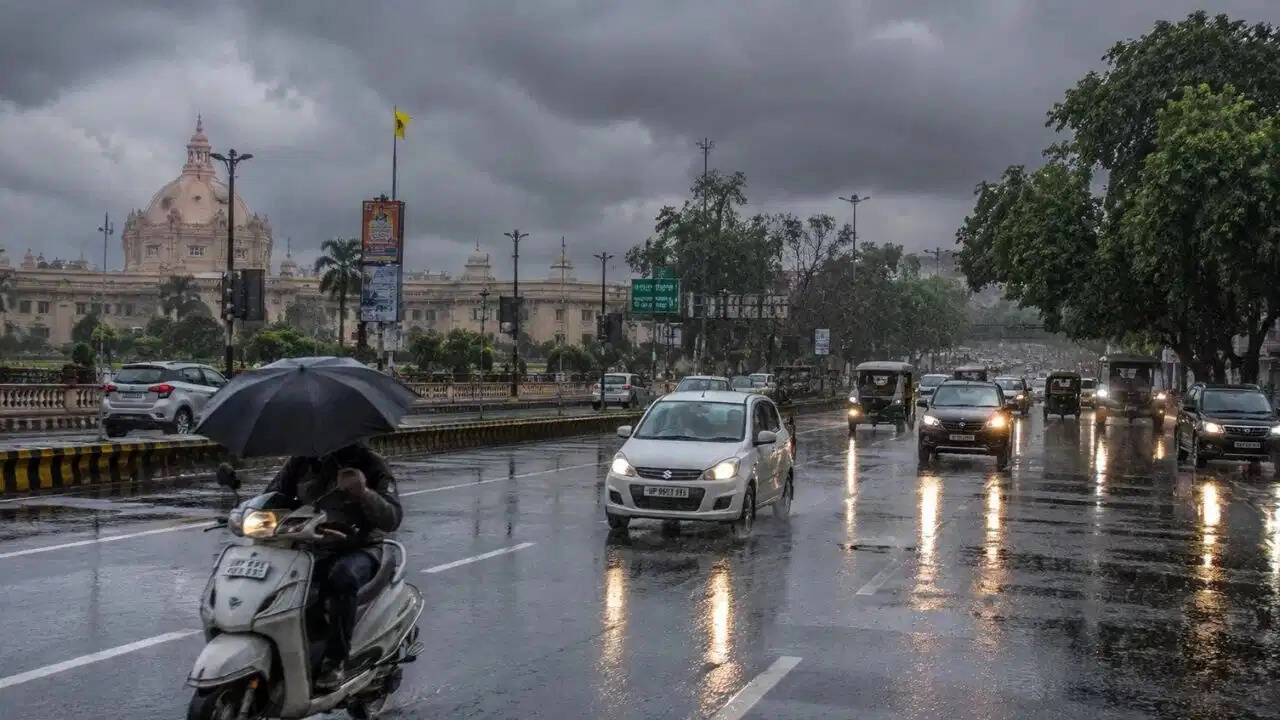
The weak monsoon this year has heightened concerns among farmers across the country, with reports indicating that 372 districts have received rainfall below the normal levels. This situation has particularly affected 68 districts, which are facing severe water shortages and are at the highest risk due to inadequate precipitation. The monsoon season, which is vital for agricultural activities, has not delivered the expected rainfall, leading to worries about crop yields and overall agricultural productivity. Farmers who rely on these seasonal rains for irrigation are now facing the prospect of drought, which could severely impact their livelihoods.
As of July 20, forecasts suggest that the situation is unlikely to improve significantly, raising alarm among the agricultural community. The lack of rainfall not only threatens the current crops but also poses a long-term risk to soil health and agricultural sustainability. Farmers are left with limited options to mitigate the effects of the dry spell, and many are concerned about their ability to sustain their families and meet their financial obligations.
The government and various agricultural organizations are urged to take immediate action to address the situation. Possible solutions may include providing financial assistance to affected farmers, implementing water conservation measures, and exploring alternative irrigation options. Without timely intervention, the ongoing weak monsoon could lead to significant losses in agricultural output, food insecurity, and heightened economic distress for millions of farmers across the affected regions. The urgency to address these challenges cannot be overstated, as the consequences of inaction may reverberate throughout the economy and society at large.