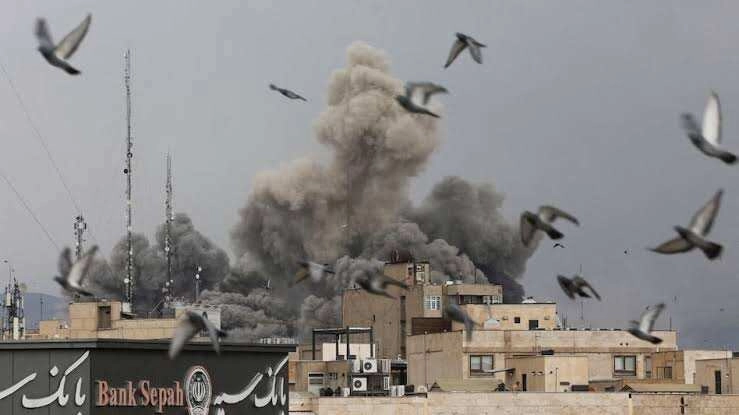
Tensions in the Strait of Hormuz have escalated significantly as Iran has issued warnings to vessels traversing this critical waterway. This area is a vital passage for a substantial portion of the world’s oil supply, making it a focal point for geopolitical conflicts. The Iranian authorities have been increasingly assertive, signaling their readiness to confront foreign naval forces operating in the region. This development has raised alarms internationally, with many fearing that a miscalculation could lead to a larger military confrontation.
In response to the rising tensions, the United States has intensified its military presence in the region. Recent video footage has surfaced, depicting American airstrikes being conducted in the vicinity, which highlights the seriousness of the situation. The U.S. has reiterated its commitment to ensuring the safety of maritime navigation in the Strait, emphasizing that any threats to shipping will not be tolerated. Such actions have provoked a stern reaction from Iran, which sees these military maneuvers as provocative and a direct challenge to its sovereignty.
The crisis in the Middle East is deepening, with the potential for conflict looming large. The Strait of Hormuz, being a critical chokepoint, plays a pivotal role in global trade and energy security. As both Iran and the U.S. continue to engage in a war of words and military posturing, the international community is left to grapple with the implications of a possible escalation. Diplomatic efforts to de-escalate the situation are crucial, as the stakes are incredibly high, not just for the countries directly involved, but for global stability as a whole. The world watches closely, hoping for a peaceful resolution to the mounting tensions in this strategically vital region.