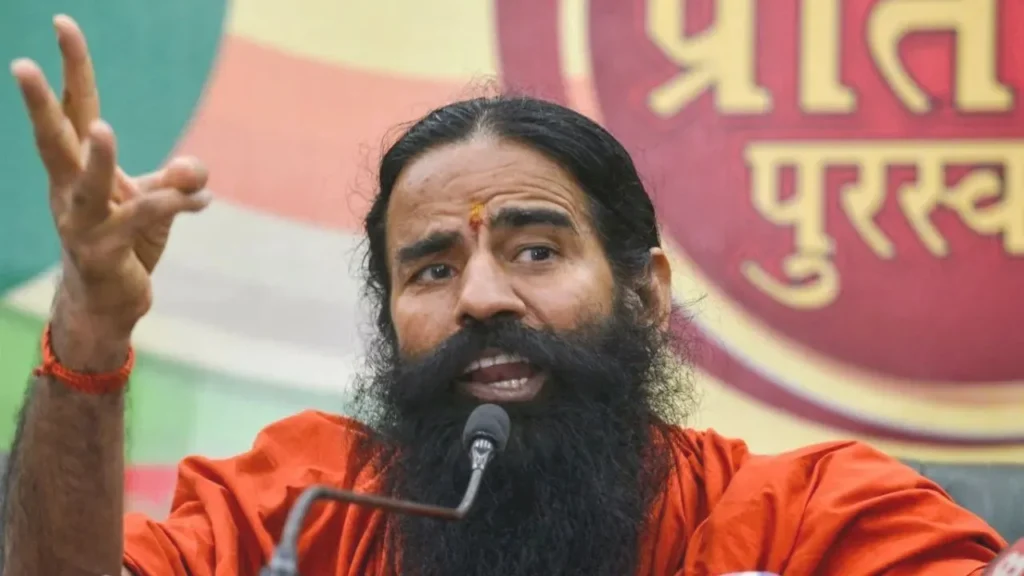
The recent remarks made by Baba Ramdev regarding the concept of Hindu Rashtra have sparked considerable controversy, particularly among various Muslim organizations. Ramdev, a prominent yoga guru and proponent of traditional Indian practices, has expressed views that some interpret as promoting a Hindu-centric nation. This has led to a backlash from several Muslim groups, who have vocalized their anger and concerns over what they perceive as an exclusionary ideology. They argue that the idea of a Hindu Rashtra undermines the secular fabric of India, a nation that prides itself on its diversity and pluralism.
In response to Ramdev’s statements, these organizations have labeled him a fraud, accusing him of using his influence and public persona to propagate divisive ideologies. Critics argue that such rhetoric not only alienates minority communities but also poses a threat to the unity and harmony that are essential for a multicultural society. The tension surrounding this issue highlights the ongoing struggle between various ideological factions in India, particularly regarding identity politics and the role of religion in defining the nation.
The discourse around Hindu Rashtra raises fundamental questions about the nature of Indian nationalism and the place of different religious communities within it. Supporters of the Hindu Rashtra concept believe it embodies the true essence of India’s heritage, while opponents contend that it risks marginalizing non-Hindu populations. This ongoing debate reflects deeper societal divisions and the challenges of fostering an inclusive national identity in a country characterized by its myriad cultural and religious identities. As the dialogue continues, it remains crucial for all parties involved to engage constructively, seeking common ground that preserves the nation’s democratic and secular ideals.