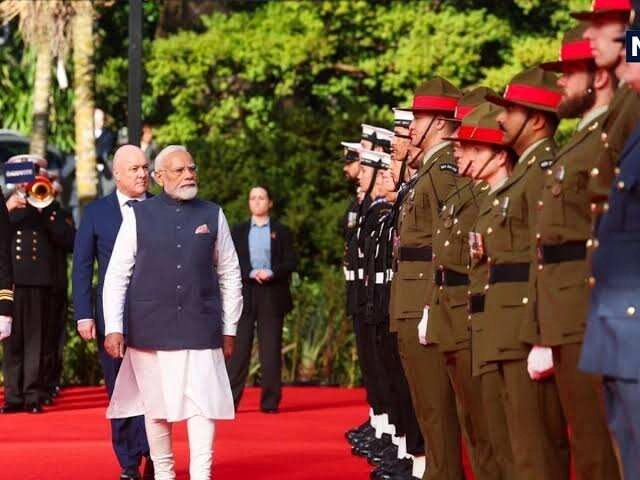
India and New Zealand are taking significant steps to strengthen their bilateral relationship, as evidenced by the recent meeting between Prime Minister Narendra Modi and New Zealand’s Prime Minister Christopher Luxon. During this pivotal discussion, the two leaders made 18 crucial decisions aimed at enhancing cooperation across various sectors. This meeting underscores both nations’ commitment to deepening their ties and exploring new avenues for collaboration.
One of the key highlights of this summit is the ambitious goal set by both countries to double their trade by the year 2030. This target reflects a mutual recognition of the potential for growth in economic relations, and it emphasizes the importance of strategic partnerships in an increasingly interconnected global economy. By fostering trade relations, both India and New Zealand aim to create more opportunities for businesses, promote investment, and ultimately benefit their respective populations.
The decisions made during the meeting cover a wide range of areas, including technology, education, and climate change, indicating a holistic approach to collaboration. As both countries navigate the challenges of a rapidly changing world, their focus on shared values and common goals will be essential in achieving these objectives. The commitment to enhance cooperation not only strengthens the bilateral relationship but also contributes to regional stability and prosperity.
In summary, the meeting between Prime Minister Modi and Prime Minister Luxon marks a significant milestone in India-New Zealand relations. With a shared vision for the future, both leaders are dedicated to realizing their ambitious trade goals and fostering a partnership that can thrive in the coming years. This collaboration stands as a testament to the growing importance of international alliances in addressing global challenges and seizing opportunities for mutual growth.