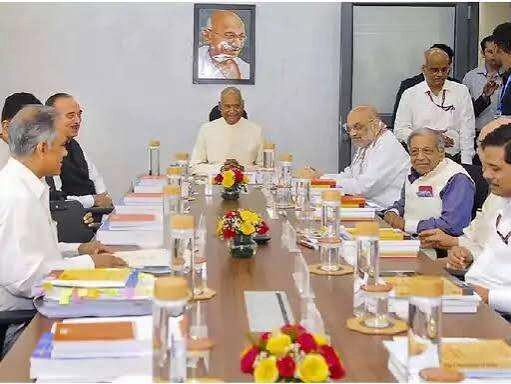
The concept of “One Nation, One Election” is gaining traction in India as the country prepares for the upcoming 2029 Lok Sabha elections. This initiative aims to synchronize various elections at different levels, including the central and state legislatures, into a single electoral process. The idea is to streamline the electoral framework, reduce the frequency of elections, and minimize the associated costs and disruptions. According to recent reports, a Joint Parliamentary Committee (JPC) has received overwhelming support for this proposal, with approximately 99% of those surveyed expressing their approval.
The rationale behind the “One Nation, One Election” initiative is multifaceted. Proponents argue that it would lead to a more efficient governance model, where elected representatives can focus on their legislative duties rather than being perpetually engaged in the election cycle. Additionally, it could enhance voter turnout and engagement, as citizens would participate in a singular electoral event rather than being bombarded with multiple elections throughout the year. This shift could also strengthen the political stability of the nation, allowing for a more coherent policy-making process.
However, the proposal is not without its critics. Some argue that it undermines the federal structure of the country by centralizing the electoral process and diminishing the autonomy of state governments. Others point out that different regions have distinct political dynamics, and a one-size-fits-all approach may not serve the diverse needs and aspirations of the Indian populace. As discussions around this initiative continue, it remains to be seen how the government will address these concerns while pushing forward with the implementation of “One Nation, One Election” ahead of the 2029 elections. The outcome of this proposal could significantly reshape the political landscape of India for years to come.