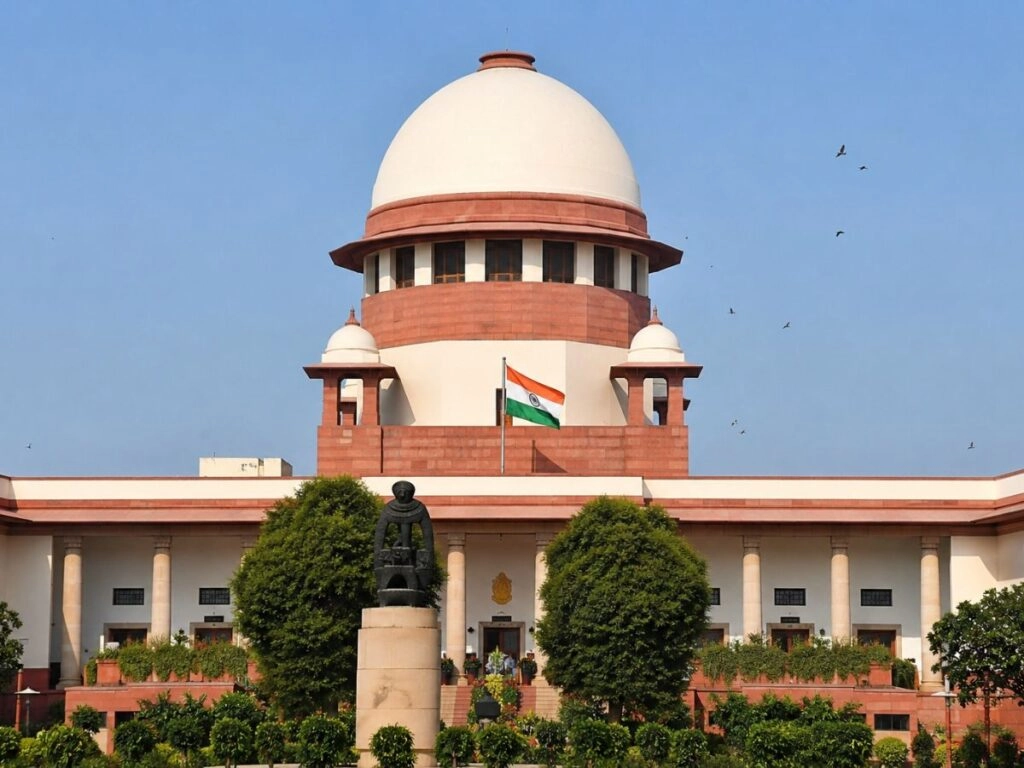
Urvashi Sengar is an Indian Police Service (IPS) officer whose recent case has drawn significant attention, particularly concerning the rules governing IPS training and the implications of personal circumstances on professional commitments. Sengar’s situation came to light when she announced her pregnancy during her training period, sparking a debate about the existing regulations that dictate the conduct and eligibility of IPS trainees. The matter escalated to the Supreme Court, which was called upon to examine whether the current training rules adequately accommodate the realities faced by women in service, especially regarding maternity.
The controversy has highlighted the broader issue of gender equality within law enforcement and civil services in India. Critics argue that the rigid training protocols often fail to consider the needs of women officers, potentially discouraging them from pursuing careers in policing. Sengar’s case has prompted discussions on the need for policy reforms that would allow for more flexibility and support for female trainees facing unique challenges, such as pregnancy. As the Supreme Court deliberates on this issue, it sets a precedent that could reshape the landscape for future generations of women in the IPS.
Supporters of Sengar have rallied behind her, emphasizing the importance of creating an inclusive environment that recognizes the dual roles women often play as both professionals and mothers. The case has sparked a national conversation about how institutions can better accommodate the needs of women, ensuring they can excel in their careers without sacrificing their personal lives. The outcome of this legal scrutiny may not only impact Sengar’s career but also influence the policies governing the training and operational readiness of future IPS officers, ultimately aiming to foster a more equitable workplace for all.