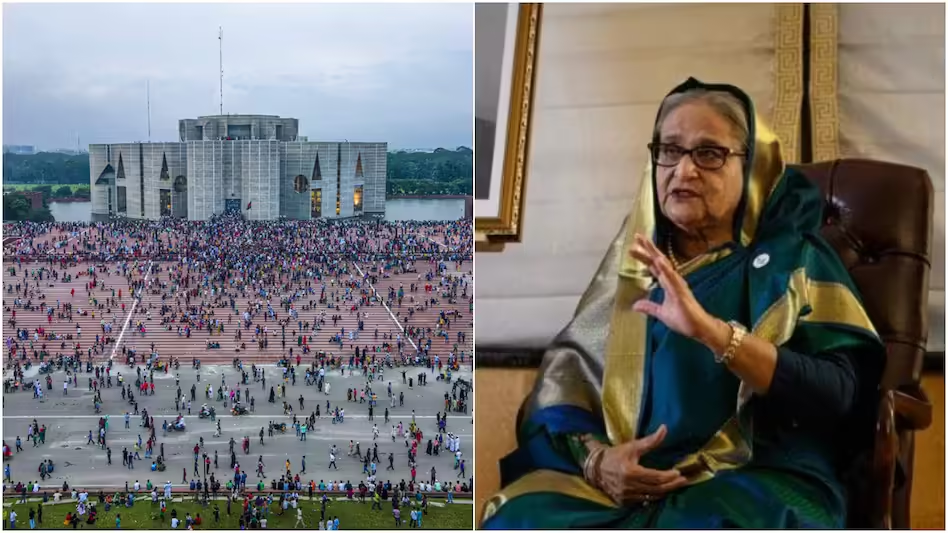
In December, Sheikh Hasina announced her intention to return to her homeland, a move that has sparked significant concern and speculation regarding her safety. The gravity of the situation is underscored by her own ominous declaration: “If I return, I will be killed.” This statement reflects the precarious political landscape that Hasina faces, particularly given the history of political violence and instability in the region.
Sheikh Hasina, the Prime Minister of Bangladesh, has had a tumultuous political career marked by both significant achievements and fierce opposition. Her decision to come back to her country signals her commitment to her political journey, but it also raises questions about the potential risks involved. The climate of fear surrounding her return is indicative of the broader challenges faced by leaders in politically volatile environments, where the threat of violence can loom large.
As she prepares for her return, observers are left wondering what the implications will be for her and the nation. Will her arrival provoke unrest, or will it foster a renewed sense of hope among her supporters? The dynamics of Bangladeshi politics are complex, and Hasina’s return could serve as a catalyst for either reconciliation or further conflict. Ultimately, her fate may hinge not only on her actions but also on the reactions of those who oppose her, as well as the international community’s response to the unfolding situation.