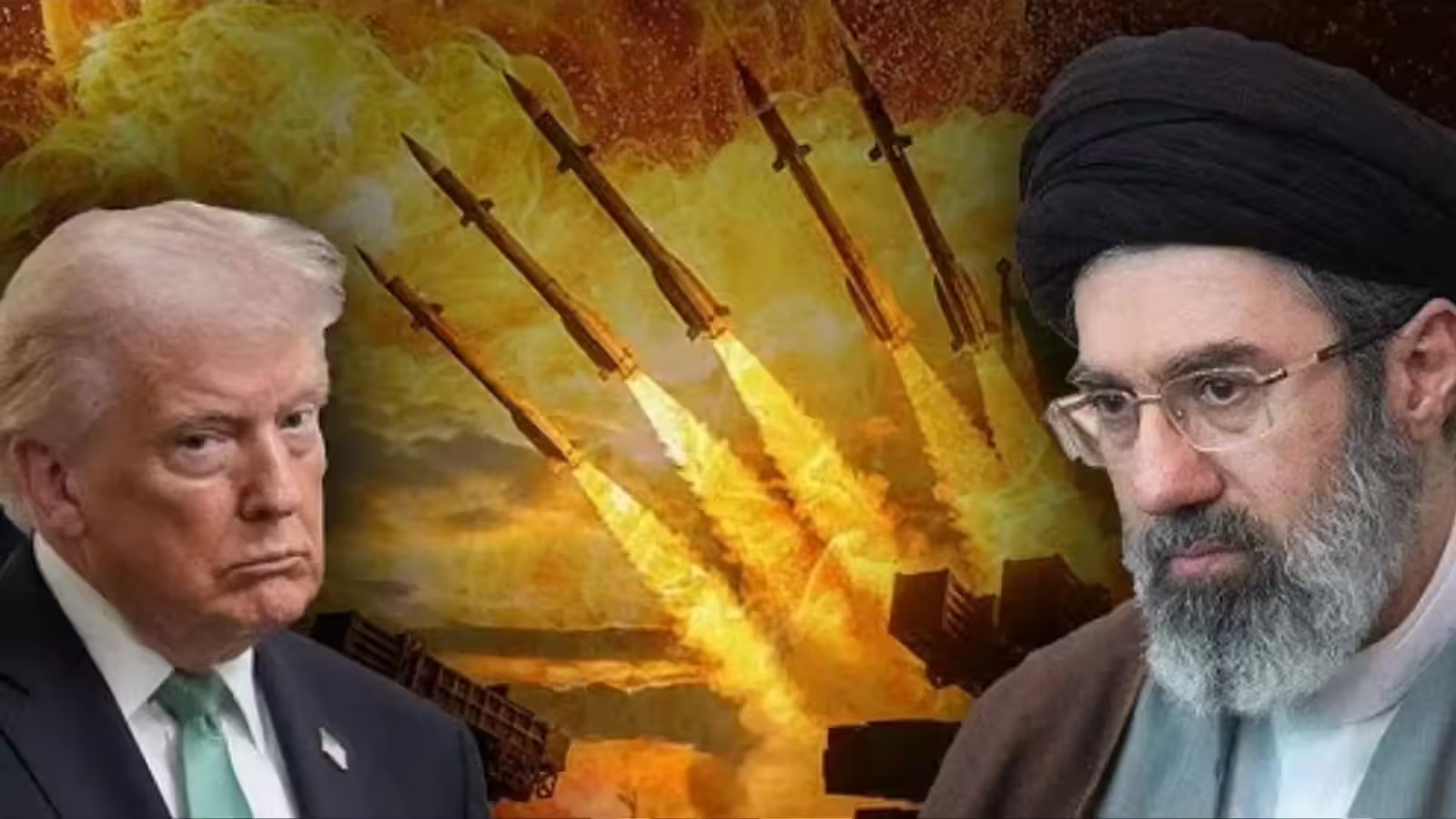
The question of how long the second round of conflict between Iran and the United States can extend is a critical one, particularly in light of the current geopolitical landscape. The tensions between these two nations have escalated over the years, marked by a series of confrontations and diplomatic failures. As former President Donald Trump navigates this complex situation, it is essential to consider the timeframe he has and the options available to him.
Trump’s administration has always had a contentious relationship with Iran, characterized by the withdrawal from the Iran nuclear deal and the imposition of harsh sanctions. These actions have led to a significant deterioration in relations, resulting in military posturing and threats from both sides. The timeline for any potential conflict could be influenced by various factors, including domestic political pressures within the United States, international alliances, and the responses of Iran to ongoing provocations.
As the situation unfolds, Trump has a few strategic options at his disposal. He can choose to escalate military actions, which could lead to a broader conflict, or he could pursue diplomatic channels to de-escalate tensions. Engaging allies in the region might provide a more stable approach, allowing for a united front against Iranian aggression. Additionally, considering the impact of economic sanctions and their potential effectiveness could play a crucial role in shaping his decision-making process. Ultimately, the duration and intensity of this conflict will depend on the choices made by Trump and the responses from Iran, making it a pivotal moment in international relations.