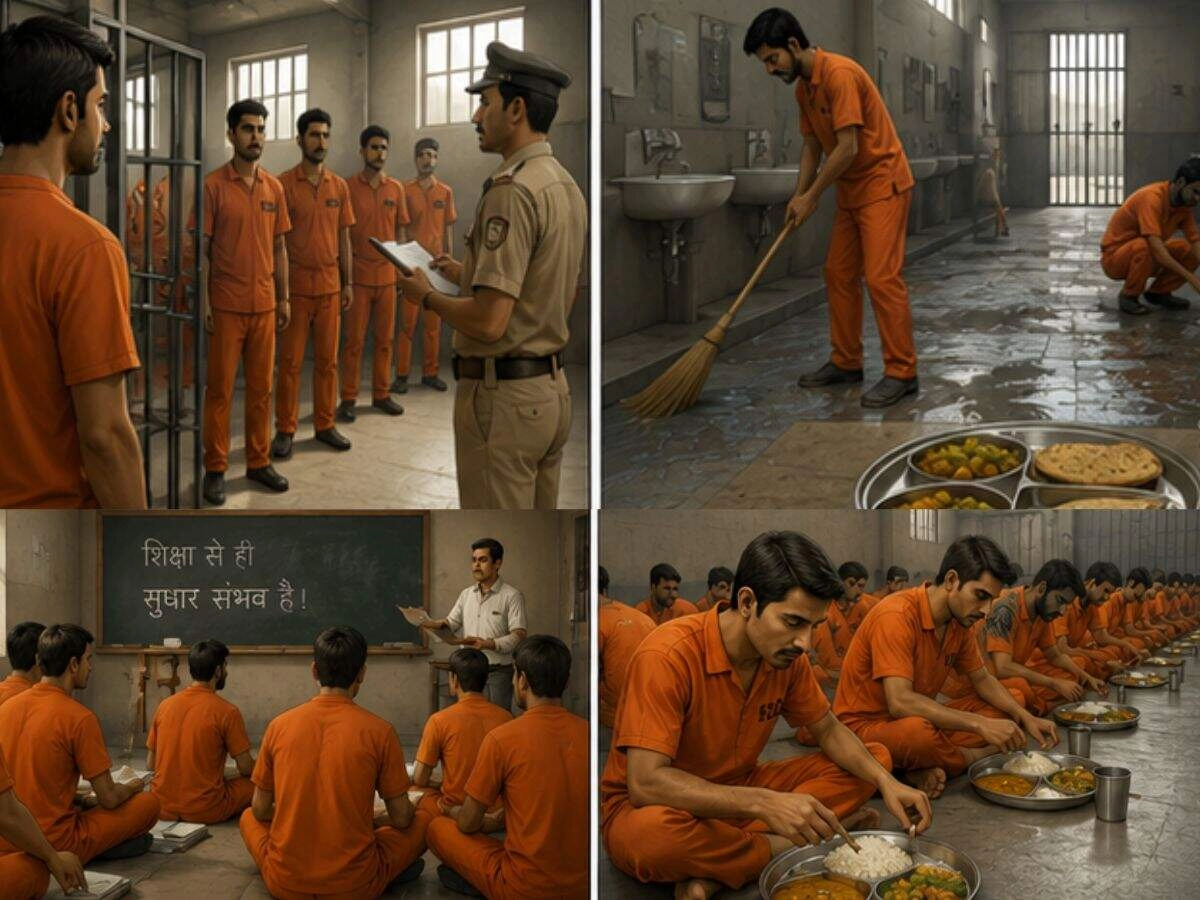
In prison, the dietary provisions for inmates can vary significantly based on the facility and its regulations. Many people often wonder what kinds of food are allowed and what inmates can request. For instance, there are cases where inmates might crave pasta or eggs, leading to questions about the extent of their food choices. Understanding the rules around food in prisons is essential, as it reflects not only the nutritional standards set for the inmates but also the overall philosophy of rehabilitation and punishment that governs the correctional system.
Typically, prisons have a structured meal plan that includes basic nutritional items to ensure that inmates receive adequate sustenance. Meals are often prepared in large kitchens and are designed to meet dietary guidelines, but they might not always cater to personal preferences. This is where requests from inmates come into play. While some facilities allow inmates to make specific requests for items such as pasta or eggs, these requests are subject to approval and may depend on various factors, including the availability of ingredients and the rules of the institution.
In many cases, inmates can also participate in programs that allow them to learn cooking skills or even grow their own food. Such initiatives can provide a degree of autonomy and enable them to make healthier choices. However, the overall menu is typically limited and may not align with what one might find in an average household. Furthermore, dietary restrictions due to health issues or religious beliefs are generally accommodated, but the process can often be complex and requires proper documentation.
Overall, the food served in prisons is a reflection of the institution’s commitment to providing basic needs while maintaining order and discipline. The regulations can vary widely, and the experiences of inmates regarding food can differ significantly based on their location, the specific rules of the facility, and the resources available. Understanding these dynamics can provide deeper insight into the daily lives of incarcerated individuals and the challenges they face, including the simple act of satisfying hunger.