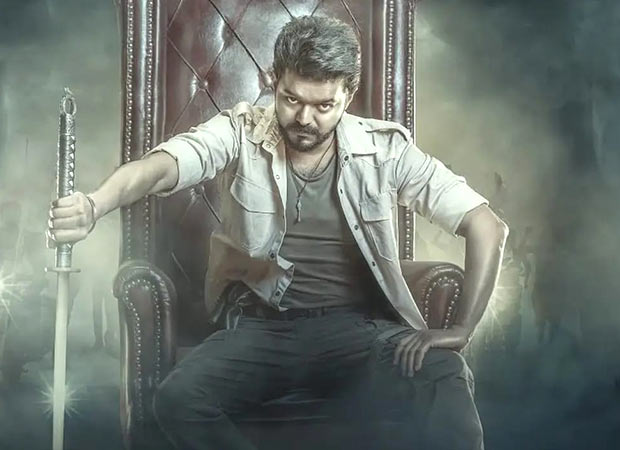
In a recent decision that has stirred considerable debate, the Central Board of Film Certification (CBFC) has decided to censor specific visuals related to Dr. B.R. Ambedkar, as well as references to the political party Tamilaga Vazhvurimai Katchi (TVK), led by actor Vijay. This action pertains to the film “Jana Nayagan,” which has garnered significant attention for its portrayal of political themes and social issues. The CBFC’s intervention raises questions about the boundaries of artistic expression in cinema, particularly when it intersects with sensitive political and historical figures.
The removal of content featuring Dr. Ambedkar—a key architect of India’s Constitution and a prominent figure in the fight for social justice—has drawn criticism from various quarters. Supporters of the film argue that such censorship undermines the importance of acknowledging historical leaders who have shaped the nation’s socio-political landscape. Furthermore, the mention of Vijay’s TVK was reportedly considered controversial, reflecting the delicate nature of political representation in films, especially when it involves influential personalities and their affiliations.
In addition to these changes, the CBFC has also mandated the removal of the terms “Om” and “New India” from the film. This decision highlights the board’s vigilance in monitoring content that might be perceived as politically or religiously sensitive. The implications of this censorship extend beyond the film itself, as it raises broader concerns about freedom of speech and the role of regulatory bodies in shaping public discourse through media. As the film industry grapples with these restrictions, the ongoing dialogue about the balance between creative freedom and societal sensitivities continues to evolve.
The actions taken by the CBFC serve as a reminder of the challenges filmmakers face in navigating the complex landscape of cultural and political sensitivities in India. As “Jana Nayagan” prepares for its release, the controversy surrounding its censored content will likely fuel discussions on artistic integrity and the responsibilities of regulatory agencies. In a democratic society, the tension between censorship and freedom of expression remains a critical issue, compelling filmmakers and audiences alike to reflect on the narratives that are allowed to be told and those that are suppressed.