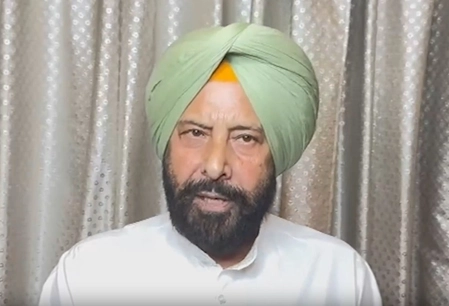
Only Singh Dhillon launched an attack on Kejriwal, stating that he lacks knowledge of the Ramayana yet is trying to teach lessons on religion. This statement reflects a growing frustration among some political figures regarding the perceived hypocrisy or inconsistency in the actions of leaders. Singh Dhillon’s comments suggest that he believes Kejriwal is out of touch with fundamental cultural and religious texts, which are often seen as the backbone of Indian society.
In a country where religion and political discourse often intertwine, Dhillon’s remarks highlight a common criticism directed at politicians who claim to uphold religious values but may not fully understand or embody those principles. The Ramayana, as a significant epic in Hindu culture, teaches various moral lessons and virtues that are expected to be reflected in the conduct of those who seek to lead and guide the populace. By questioning Kejriwal’s understanding of such a pivotal text, Dhillon is challenging the authenticity of his claims and urging voters to scrutinize the ideological foundations of their leaders.
This discourse is particularly relevant in the context of the ongoing political landscape in India, where leaders often invoke religious sentiments to garner support. However, it raises important questions about the qualifications of these leaders to speak on such matters. Are they genuinely knowledgeable, or are they merely pandering to the religious sentiments of the electorate? Singh Dhillon’s critique serves as a reminder for voters to consider the depth of understanding that their leaders have regarding the traditions and values they profess to uphold.
In conclusion, the exchange between Singh Dhillon and Kejriwal underscores the need for authenticity in political leadership, especially concerning matters of faith and culture. As the political climate continues to evolve, it is crucial for leaders to not only advocate for religious values but also to embody them through their actions and understanding.