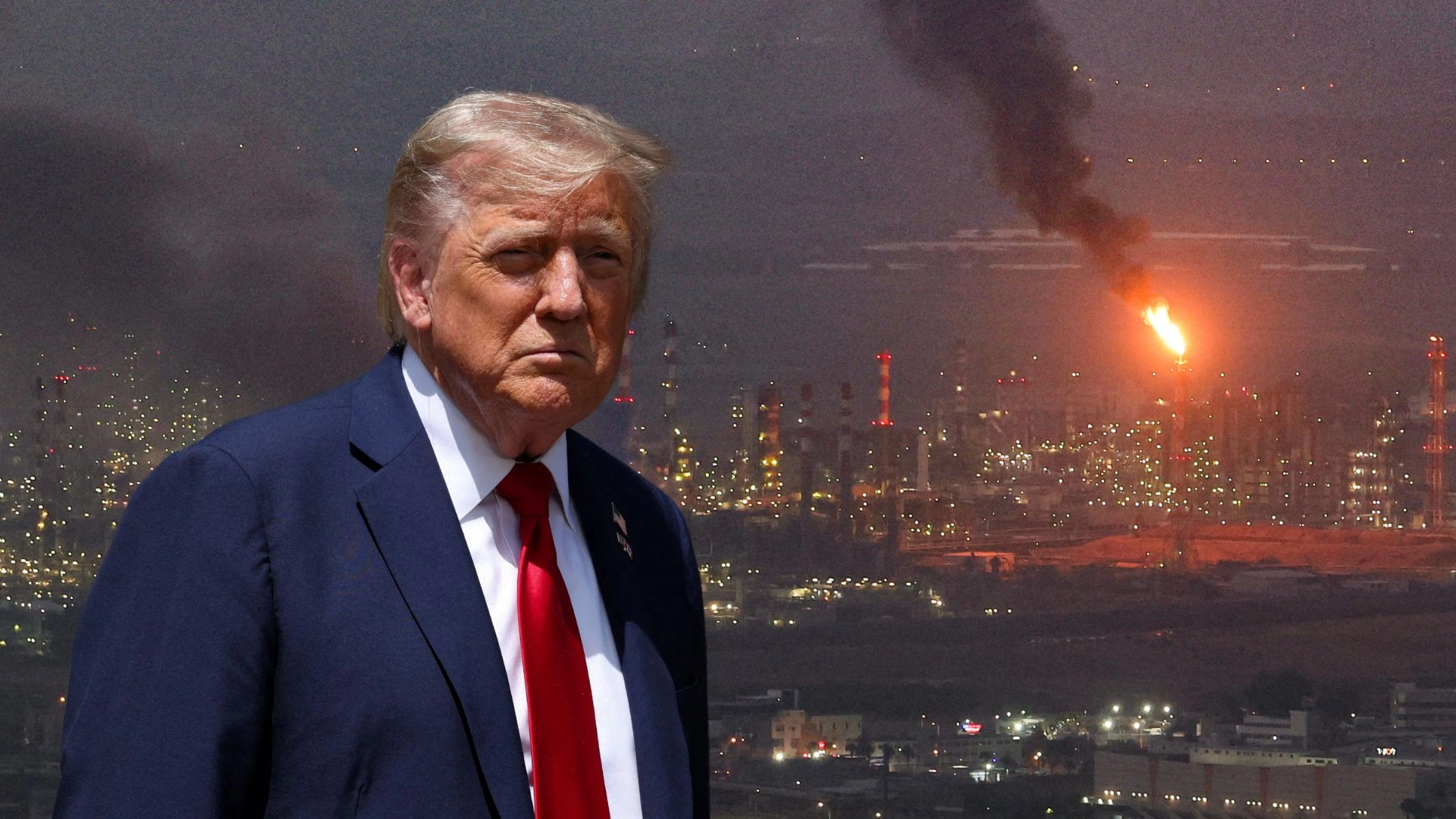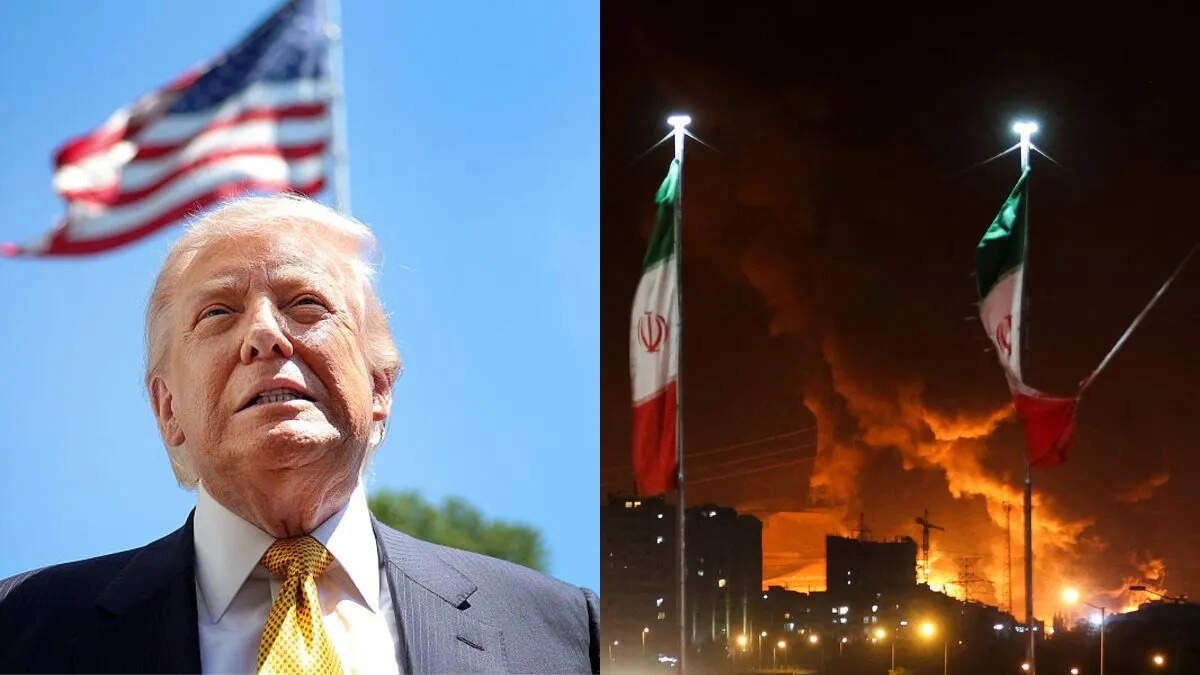
Tensions between the United States and Iran have escalated significantly following America’s imposition of sanctions on Iranian oil. In response to these sanctions, Tehran has issued a stern warning, indicating that the situation is becoming increasingly volatile. Iranian officials have emphasized that it has not even been 20 days since the latest round of sanctions was implemented, and they are already feeling the pressure. This backdrop of heightened conflict underscores the fraught relationship between the two nations, which has been characterized by mutual distrust and ongoing disputes over various geopolitical issues.
The Iranian government has made it clear that it will not take these sanctions lightly and is prepared to respond decisively. The rhetoric from Tehran suggests that they view the U.S. actions as not only an economic assault but also an affront to their sovereignty. As Iran continues to grapple with the repercussions of these sanctions, it is likely to adopt measures that could further exacerbate tensions in the region. The warning from Iranian officials serves as a reminder of the fragile state of affairs in the Middle East, where even minor provocations can lead to significant confrontations.
This latest development comes amid a broader context of U.S.-Iran relations that have been deteriorating for years, particularly following the U.S. withdrawal from the nuclear deal in 2018. Since then, Iran has gradually stepped back from its commitments under the agreement, leading to increased scrutiny and criticism from Western powers. The cycle of sanctions and retaliatory measures appears to be far from over, as both nations remain entrenched in their positions. The international community watches closely, concerned that further escalation could have dire consequences not only for Iran and the U.S. but for regional stability as a whole.