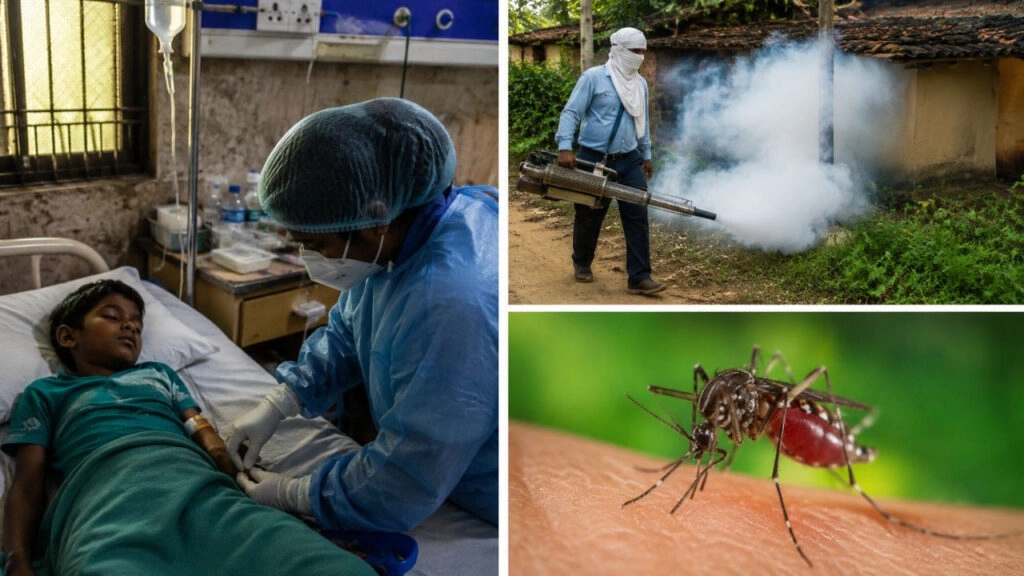
The state of Jharkhand is currently facing a growing health crisis as the incidence of cerebral malaria continues to rise. Recent reports indicate that the number of individuals infected with this severe form of malaria has reached a concerning total of 150 cases. Among these, nine new patients have been identified, highlighting the urgency of the situation. Cerebral malaria, characterized by neurological complications, poses a significant risk to public health, particularly in areas where malaria is endemic.
Authorities in Jharkhand are ramping up efforts to combat this alarming trend. Health officials are working tirelessly to ensure that patients receive timely treatment and that preventive measures are put in place to curb the spread of the disease. Public awareness campaigns are being initiated to educate communities about the symptoms of cerebral malaria, the importance of early diagnosis, and the need for vector control. Such initiatives are crucial, as timely intervention can significantly reduce mortality rates associated with this life-threatening condition.
The increase in cerebral malaria cases also raises concerns about the effectiveness of current malaria control strategies in the region. Factors such as environmental changes, increased rainfall, and stagnant water sources contribute to the proliferation of malaria-carrying mosquitoes. As the situation evolves, it is essential for health authorities to reassess their strategies and implement more robust measures to tackle both malaria and its severe manifestations, including cerebral malaria. Collaboration between government agencies, local communities, and healthcare providers will be vital in addressing this public health challenge and ensuring the well-being of the affected population.