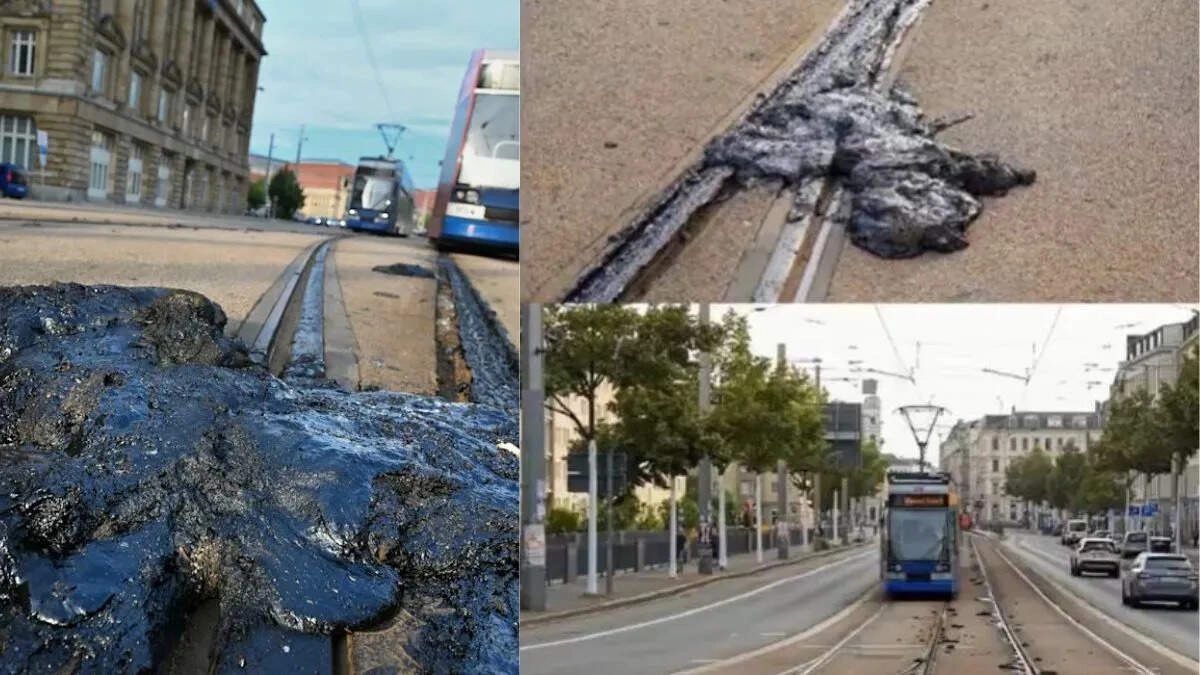
In the summer of 2026, Europe experienced an unprecedented heatwave, with temperatures soaring to 40°C in France, leading to alarming consequences such as the melting of roads. This extreme weather event highlighted the urgent need for effective climate adaptation strategies across the continent. The heatwave not only affected infrastructure but also had significant health implications for the population, prompting authorities to issue warnings and advisories to protect citizens from heat-related illnesses.
In stark contrast, India has developed a range of methods to manage extreme heat, a challenge it faces regularly due to its geographic and climatic conditions. Indian cities have implemented various strategies to cope with high temperatures, including urban planning initiatives that focus on increasing green spaces and enhancing tree cover. These measures not only help to cool the environment but also improve air quality, creating a more livable atmosphere for residents. Additionally, public awareness campaigns educate citizens on the importance of hydration and staying indoors during peak heat hours, contributing to better public health outcomes.
Furthermore, India has made strides in improving its infrastructure to withstand the heat. For instance, roads and pavements are designed using heat-resistant materials, reducing the risk of damage during extreme temperatures. The government has also invested in renewable energy sources, such as solar power, to provide sustainable cooling solutions for homes and businesses. These proactive measures reflect a comprehensive approach to managing the challenges posed by extreme heat, serving as a model for other countries, including those in Europe, to consider as they navigate the impacts of climate change.
As climate change continues to exacerbate weather extremes, the experiences of countries like India can offer valuable insights into effective heat management strategies. The need for resilience in the face of rising temperatures is more pressing than ever, and learning from each other’s successes and challenges can help nations around the world prepare for the future. The lessons learned from India’s adaptive measures could potentially guide European nations in developing their own strategies to mitigate the impacts of heatwaves, ensuring the safety and well-being of their populations during such extreme weather events.