The Kharif crop season, which typically begins with the onset of the monsoon, is facing significant challenges this year due to insufficient rainfall. Farmers are experiencing a crisis as the sowing of Kharif crops has lagged behind schedule, raising concerns about the potential yield for the season. This delay in sowing is primarily attributed to the erratic weather patterns, which have resulted in less rain than anticipated. The lack of adequate precipitation not only hampers the planting process but also threatens the overall productivity of the crops, as many of these crops rely heavily on monsoon rains for their growth.
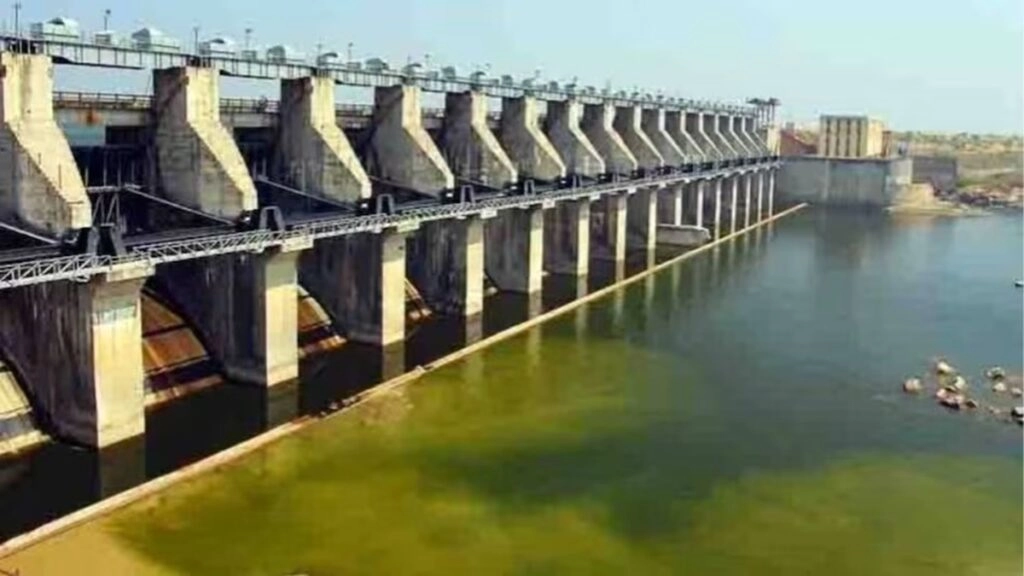
Moreover, the situation is exacerbated by a decline in water levels in reservoirs, which are critical for irrigation. As the reservoirs are reporting lower water storage, farmers are increasingly anxious about their ability to irrigate their fields adequately. This reduction in water supply can lead to further delays in planting and may ultimately affect the quality and quantity of the harvest. The cumulative effect of these challenges creates a precarious situation for farmers who depend on the Kharif season for their livelihoods.
Looking ahead, there are heightened expectations for July, which is traditionally seen as a pivotal month for rainfall in many agricultural regions. Farmers are hopeful that the monsoon will arrive in full force, providing the necessary water to revitalize their fields and support crop growth. The success of the Kharif season hinges on the timely arrival of rain, and with each passing day, the agricultural community remains on edge, awaiting the weather forecasts that could dictate their fortunes for the year. If the rains do come as expected, it could help mitigate the challenges posed by the current crisis, but until then, uncertainty looms large over the farming landscape.