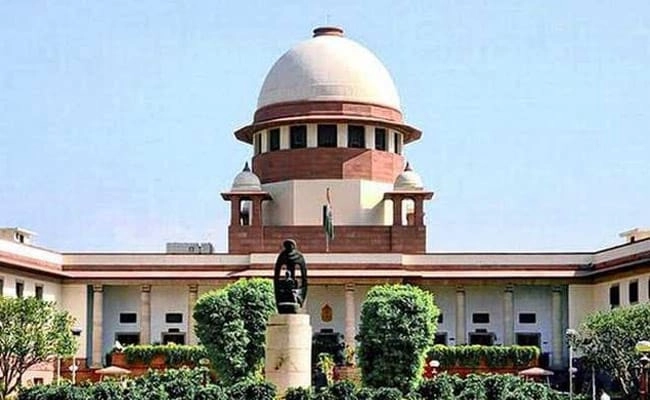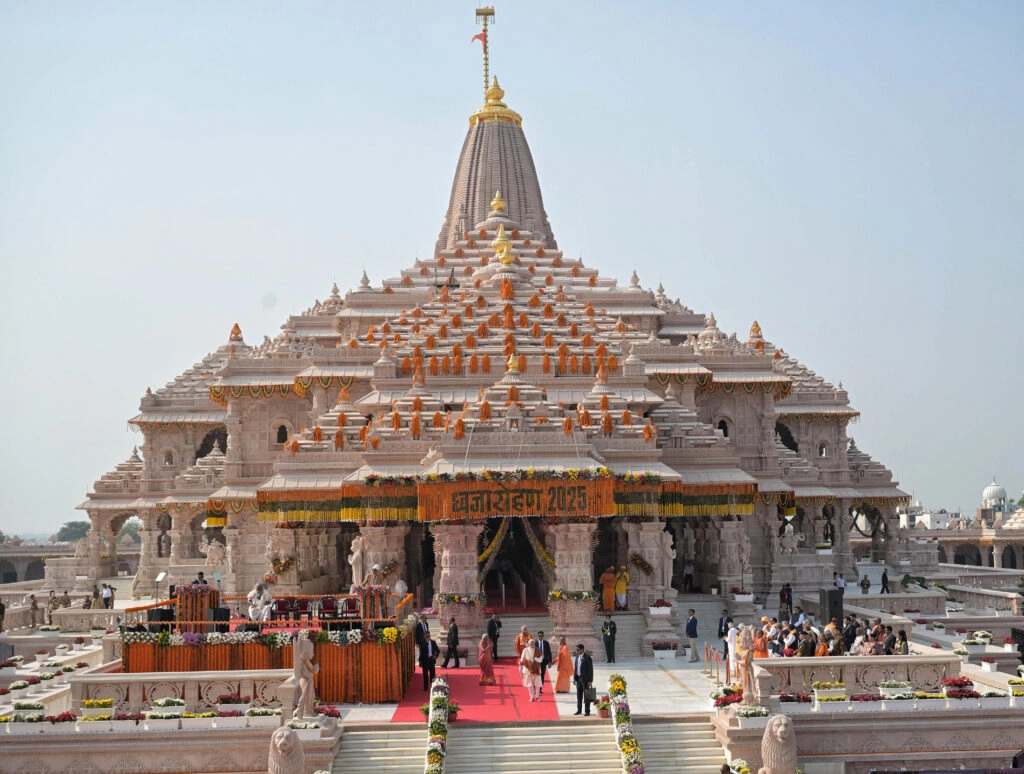
The ongoing debate regarding temple management has reached a pivotal moment, where constitutional principles are being scrutinized and challenged. This discourse primarily centers around the governance and administration of religious institutions, particularly temples, which hold significant cultural and spiritual importance in many communities. As various stakeholders, including government authorities, religious leaders, and devotees, weigh in on the matter, the intersection of religious freedom and state intervention has become increasingly complex.
At the heart of this debate is the question of whether the state should have a role in the management of temples or if such oversight infringes upon the fundamental rights of religious practice guaranteed by the constitution. Proponents of government involvement argue that it is necessary to ensure transparency, accountability, and the proper use of funds, especially in cases where public resources are allocated. Conversely, opponents contend that state interference undermines the autonomy of religious institutions and can lead to the politicization of sacred spaces, ultimately diminishing the essence of spiritual practice.
As this discourse unfolds, legal experts and constitutional scholars are closely examining relevant case laws and precedents that could influence the outcome of this debate. The implications of the decisions made during this critical juncture could resonate far beyond temple management, potentially setting precedents for how religious institutions are governed across the country. As communities engage in discussions about their rights and the role of the state, it is clear that the resolution of this debate could redefine the relationship between religion and governance in contemporary society, posing important questions about the balance of power and the protection of individual freedoms.