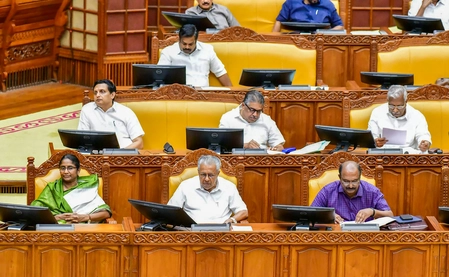
Kerala’s Chief Minister Pinarayi Vijayan has raised significant concerns regarding the state government’s intentions behind the recent tax exemptions. He questions whether these fiscal policies are genuinely aimed at benefiting the common people or if they serve the interests of a select few. The debate surrounding tax exemptions is not new; it often sparks discussions about who truly benefits from such measures.
Vijayan’s skepticism highlights the need for transparency in government decision-making processes. Tax policies can have far-reaching implications on the economy, and when exemptions are granted, it is crucial to analyze their impact on various segments of society. Are these exemptions a means to stimulate growth, or do they disproportionately favor affluent businesses and individuals? The Chief Minister is advocating for a more equitable approach to taxation that prioritizes the welfare of all citizens, rather than catering to the elite.
Moreover, the conversation around tax exemptions touches on broader themes of economic justice and accountability. In a state like Kerala, where social welfare programs are a cornerstone of governance, ensuring that tax benefits reach the intended beneficiaries is vital. Vijayan’s call for scrutiny encourages a deeper examination of how fiscal policies are crafted and implemented, aiming to foster an economic environment that truly supports the marginalized and enhances collective prosperity.
In conclusion, Pinarayi Vijayan’s remarks serve as a crucial reminder of the complexities involved in tax policy and its implications for societal equity. By questioning the motives behind tax exemptions, he invites a necessary dialogue on how to create a fairer and more just economic landscape in Kerala, ensuring that all citizens have the opportunity to thrive.