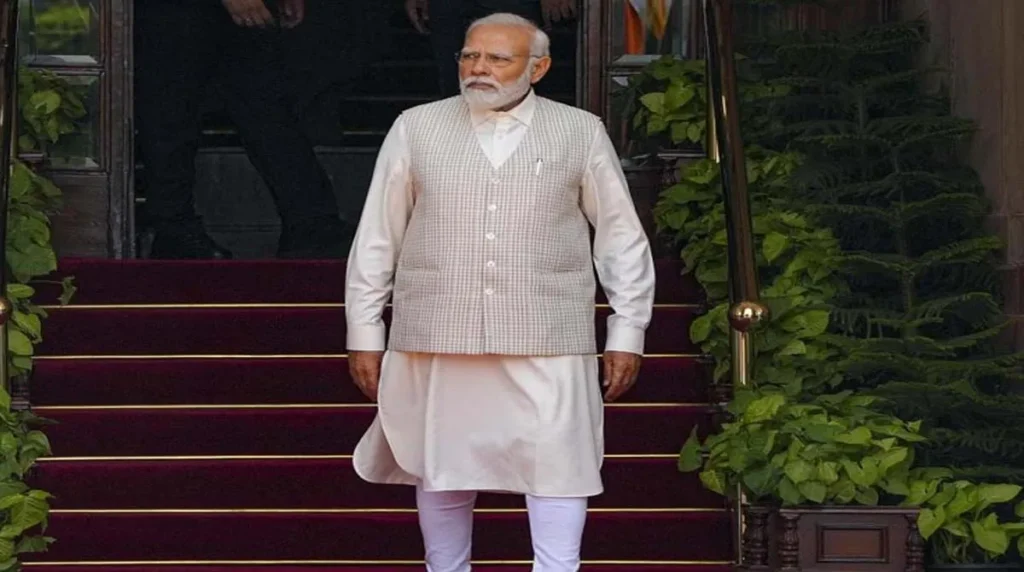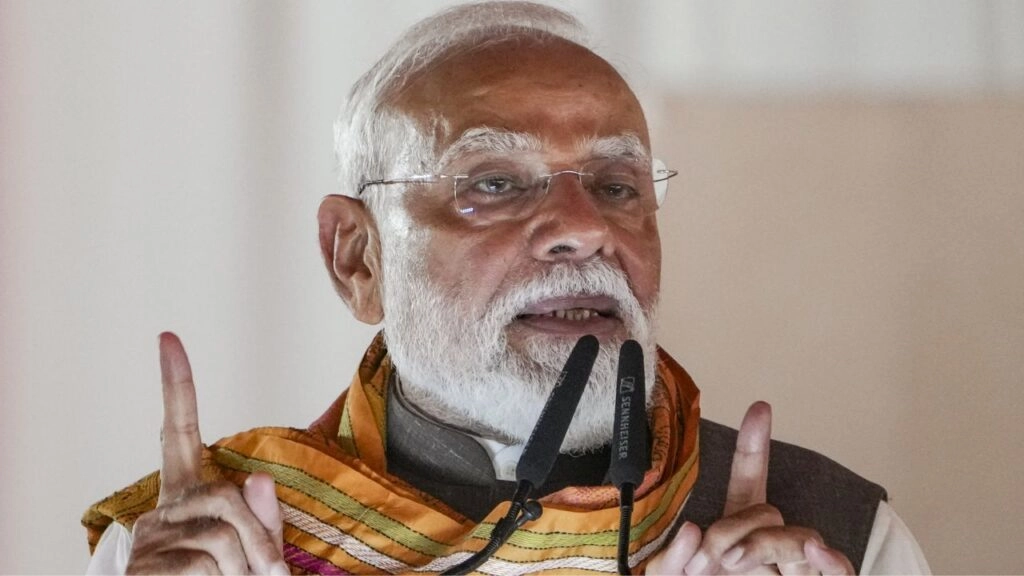
During a recent political rally, Prime Minister Narendra Modi made a significant allegation against the Indian National Congress party, accusing them of attempting to make Bengal a part of Pakistan. This assertion has ignited a heated debate in the political landscape of India, particularly in the context of West Bengal’s complex historical and cultural ties. Modi’s comments seem aimed at highlighting the Congress party’s alleged failures in governance and its approach towards national integrity, suggesting that their policies could undermine the unity of the nation.
The Prime Minister’s statement is rooted in the historical context of the partition of India in 1947, which led to the creation of Pakistan and resulted in significant upheaval and migration between the two newly formed nations. Modi’s remarks underline the long-standing tensions that have persisted in the region, especially regarding issues of identity and national belonging. By framing the Congress party’s actions in this manner, he seeks to rally support among voters who prioritize national unity and security, positioning himself and his party, the Bharatiya Janata Party (BJP), as the defenders of India’s integrity.
Critics of Modi’s statement argue that such allegations can exacerbate communal tensions and distract from pressing issues facing the state, such as economic challenges and social welfare. They contend that invoking the specter of Pakistan serves more to polarize voters than to foster constructive dialogue about governance and development. As the political climate heats up, it remains to be seen how these allegations will influence public perception and electoral outcomes in West Bengal, a state that has historically been a political battleground for multiple parties.
Ultimately, Modi’s accusations against Congress reflect the broader strategy of the BJP to consolidate its base by framing the opposition as unpatriotic or incapable of safeguarding the nation’s interests. This rhetoric taps into deep-seated fears and historical grievances, making it a potent tool in the arsenal of political campaigning. As the elections approach, the implications of such statements will likely resonate far beyond the immediate context, shaping the narrative of national identity and political allegiance in India.