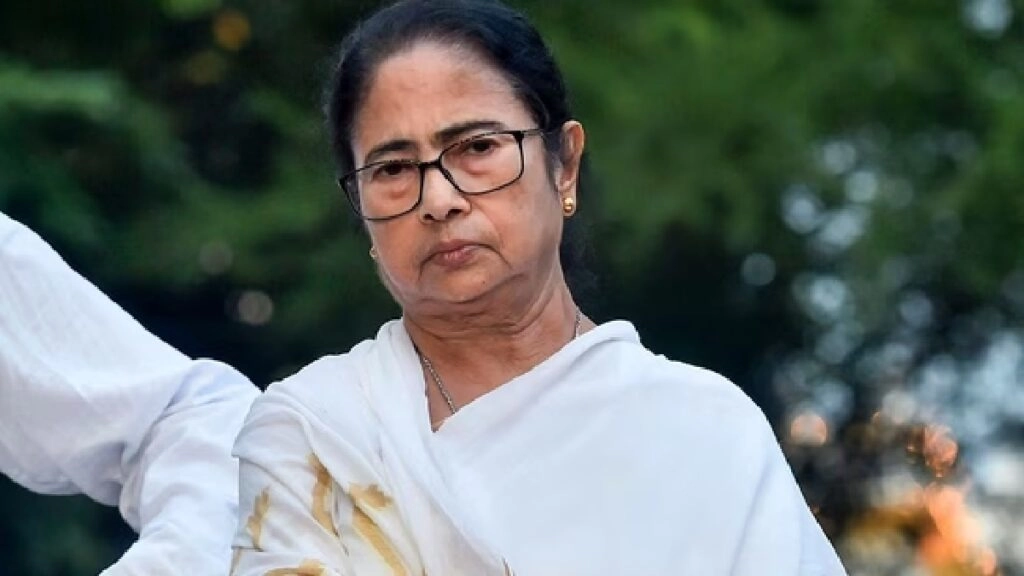
In a strategic move to safeguard the funds of the Trinamool Congress (TMC), West Bengal Chief Minister Mamata Banerjee has taken decisive action amidst growing concerns over potential dissent within her party. The TMC treasurer has officially submitted a letter to the bank, requesting the freezing of party accounts. This dramatic measure underscores the challenges that Banerjee faces as she navigates internal conflicts and attempts to maintain control over her party’s financial resources.
The decision to freeze the bank account is not merely a precautionary step; it reflects the urgency of the situation as tensions rise within the TMC. With reports of discontent and rebellion among certain party members, the financial assets of the TMC could potentially be at risk. By taking this action, Banerjee aims to prevent any unauthorized access to party funds that could be exploited by dissenting factions. This move is a clear indication of her commitment to preserving the integrity and unity of the party, particularly in light of the upcoming electoral challenges.
Moreover, this situation highlights the broader implications for political parties in India, where internal strife can significantly impact their operational capabilities. The freezing of accounts serves as a reminder of the intricate relationship between party finances and political stability. As Banerjee seeks to reinforce her leadership and quell any rebellion, she demonstrates a proactive approach to managing both the financial health and the political viability of the TMC. This incident not only showcases her determination to maintain control but also reveals the underlying tensions that can threaten the cohesion of political organizations in a dynamic electoral landscape.