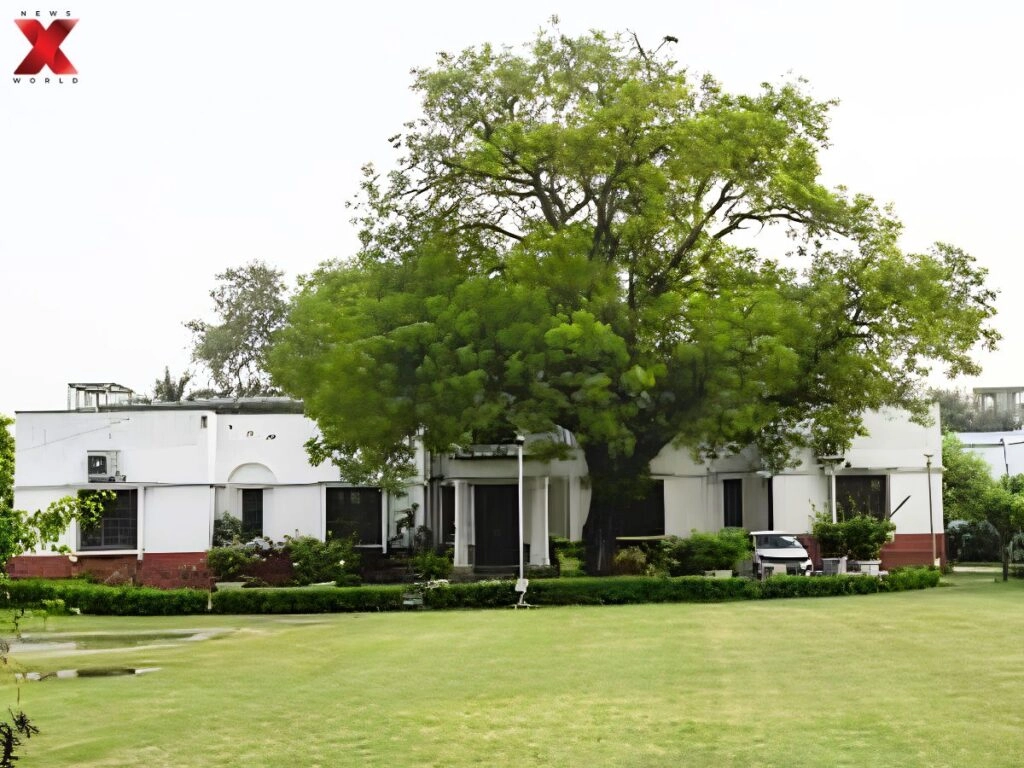
The Chief Minister’s bungalow in Delhi has garnered a reputation for being ‘jinxed’ over the years, a notion steeped in political folklore and superstition. This perception stems from a series of unfortunate events that have befallen several leaders who have resided there. Each new occupant seems to encounter significant political challenges, controversies, or even personal crises, leading to whispers among the public and political circles about the supposed curse of the bungalow. This narrative has been bolstered by the fact that many political careers have taken unexpected turns shortly after taking up residence in this official residence.
The bungalow, which serves as the official residence for the Chief Minister of Delhi, has been home to various political figures, each with their own unique story of trials and tribulations. From unexpected electoral defeats to scandals and leadership crises, the anecdotes surrounding this residence have contributed to its ominous reputation. Observers have noted that the timing of these events often coincides with the tenure of the Chief Ministers who have lived there, fueling the belief that the location itself might be cursed.
Moreover, the idea of a jinxed political space taps into deeper cultural beliefs about fate and destiny in Indian society. Political figures often seek to find meaning in their circumstances, and the concept of a cursed residence offers an explanation for their struggles. This phenomenon reflects a broader tendency within politics to attribute successes and failures to external forces, whether they be supernatural or simply coincidental. As such, the narrative surrounding the Chief Minister’s bungalow not only highlights individual experiences but also serves as a mirror to the superstitions that permeate political life in India.
In contemporary discussions, many political analysts and historians approach the jinxed perception with skepticism, attributing the struggles of those who lived in the bungalow to the high-stakes nature of political life rather than any supernatural influence. They argue that the pressures of governance, public expectations, and the ever-shifting political landscape play a far more significant role in shaping a leader’s fate than any mythical curse associated with a building. Nonetheless, the tales of misfortune continue to captivate the imagination of the public, illustrating how folklore can intertwine with the realities of political life, ultimately highlighting the fragile nature of power and the legacies of those who seek it.