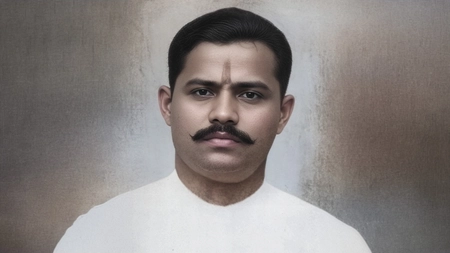
Ram Prasad Bismil was a prominent revolutionary figure in the Indian freedom struggle, renowned for his unwavering commitment to the cause of independence from British rule. He is best remembered for his famous poem “Sarfaroshi Ki Tamanna,” which encapsulates the spirit of resistance and the longing for freedom. Bismil’s poetry and writings not only inspired countless individuals to join the fight against oppression but also became a rallying cry for the revolutionaries of his time.
Bismil’s life was a testament to his courage and determination. He was willing to sacrifice everything for his beliefs, and his willingness to embrace martyrdom is evident from the way he faced his execution. When he was sentenced to death, he reportedly smiled and kissed the noose, embodying the spirit of a true revolutionary. This act of bravery resonated deeply with his contemporaries and continues to inspire generations even today.
He played a significant role in various revolutionary activities, including the Kakori train robbery, which aimed to fund the independence movement. Bismil was not only a fearless warrior but also a talented writer who used his literary skills to fuel the fire of nationalism among the masses. His works reflected the pain and struggles of the oppressed, and they served as a source of motivation for many who sought to fight against colonial rule.
In essence, Ram Prasad Bismil symbolizes the indomitable spirit of the Indian freedom struggle. His life and legacy are a reminder of the sacrifices made by countless individuals who fought for the country’s independence. The passion and fervor he expressed through his poetry and actions continue to inspire those who seek justice and freedom, making him a timeless figure in the annals of Indian history. His willingness to face death with a smile stands as a powerful testament to the strength of his convictions and the enduring quest for liberty.