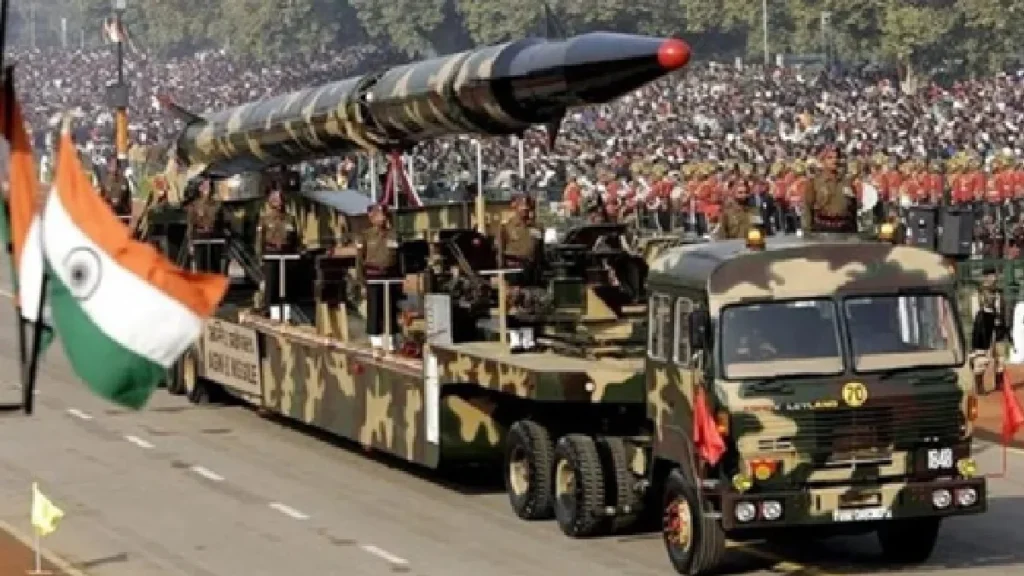
According to a recent report by the Stockholm International Peace Research Institute (SIPRI), India has taken a significant step by deploying 12 nuclear warheads in operational mode. This marks a notable development in India’s military capabilities and its strategic posture regarding nuclear deterrence. The decision to operationalize these warheads indicates a shift in India’s approach to its nuclear arsenal, moving beyond mere stockpiling to a readiness that could potentially alter the balance of power in the region.
The deployment of nuclear weapons in operational mode means that India is now prepared to use these warheads if deemed necessary, signaling a serious commitment to its defense strategy. This shift may be seen as a response to increasing security challenges in the region, particularly in light of tensions with neighboring countries. The operational readiness of these warheads could also be interpreted as a message to both regional adversaries and global powers about India’s determination to assert its sovereignty and protect its national interests.
Furthermore, the implications of this development extend beyond India’s borders. It raises concerns about nuclear proliferation and the potential for an arms race in South Asia. With both India and Pakistan possessing nuclear capabilities, the operational deployment of warheads could exacerbate existing tensions and lead to a precarious security environment. The international community will be closely monitoring these developments, as they could influence diplomatic relations and strategic calculations in the region.
In conclusion, India’s deployment of 12 nuclear warheads in operational mode, as reported by SIPRI, represents a critical juncture in its defense strategy. This move not only underscores India’s commitment to maintaining a credible deterrent but also highlights the complexities of regional security dynamics. As the situation evolves, the implications for both regional and global security will be significant, necessitating careful attention from policymakers and analysts alike.