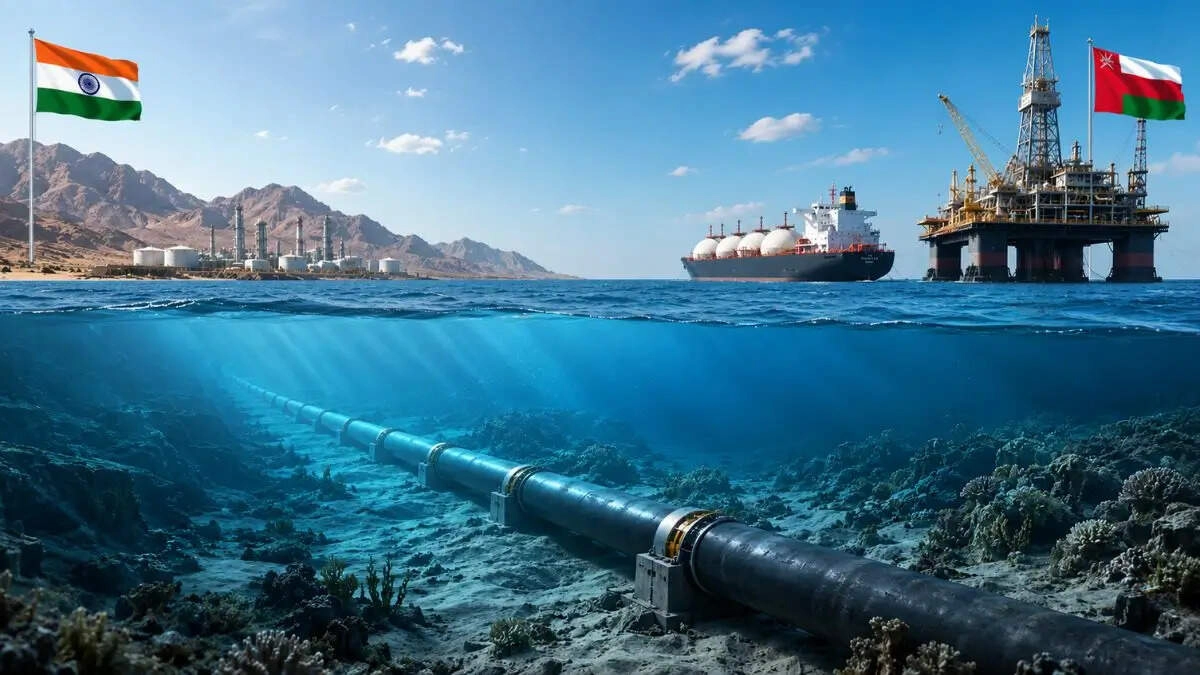
A 30-year-old project is set to be revived, marking a significant development in India’s energy infrastructure. The initiative involves the construction of a pipeline that will stretch from Gujarat, India, to Oman. This ambitious project aims to enhance energy security and reduce dependency on the strategically critical Hormuz Strait, a vital passage for global oil shipments. By establishing a direct pipeline, India seeks to create a more efficient and reliable route for transporting energy resources, thereby bolstering its position in the regional and global energy markets.
The revival of this pipeline project reflects India’s growing focus on diversifying its energy sources and routes. Historically, the Hormuz Strait has been a chokepoint for oil transportation, making it vulnerable to geopolitical tensions and disruptions. By bypassing this route, India can mitigate risks associated with energy supply interruptions and enhance its energy resilience. This initiative not only holds significance for India but also for the broader region, as it has the potential to strengthen economic ties between India and Oman, fostering collaboration in various sectors beyond energy.
As the project gains momentum, it is expected to create numerous opportunities for investment and job creation in both countries. The pipeline construction will involve advanced technology and infrastructure development, which could lead to enhanced engineering and technical expertise in the region. Furthermore, as India continues to expand its energy footprint, this project could pave the way for greater cooperation with other nations looking to secure their energy needs. Overall, the revival of this long-awaited pipeline project promises to be a game-changer in India’s energy strategy, fostering stability and cooperation in the region while addressing critical energy security challenges.