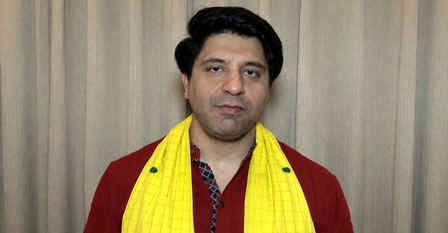
Shahzad Poonawala expresses a critical perspective on the political alliances within the Indian bloc, suggesting that these coalitions are more about strategic partnerships than genuine camaraderie. He argues that the various political parties come together not out of shared values or beliefs, but rather for opportunistic reasons. This dynamic creates a landscape where alliances are formed based on convenience rather than ideological alignment, leading to a lack of sincere commitment among the parties involved.
Poonawala’s comments highlight the transactional nature of contemporary politics in India, where parties prioritize their interests over the welfare of the populace. He implies that such alliances might be detrimental to the democratic process, as they can obscure the true intentions of political leaders and their commitment to addressing the pressing issues faced by citizens. This situation raises concerns about the authenticity of political discourse and the degree to which voters can trust the promises made by leaders who are more focused on maintaining power than fostering genuine relationships.
Furthermore, the phrase “parties meet, but hearts do not” encapsulates the disconnect between political rhetoric and the realities of governance. It suggests a need for greater transparency and accountability in political dealings. By emphasizing the lack of emotional and ideological ties among party members, Poonawala calls for a reevaluation of how political alliances are formed and the implications they have for democratic integrity. Ultimately, he advocates for a political environment where collaboration is based on shared values and a genuine desire to serve the public good, rather than mere convenience or ambition.