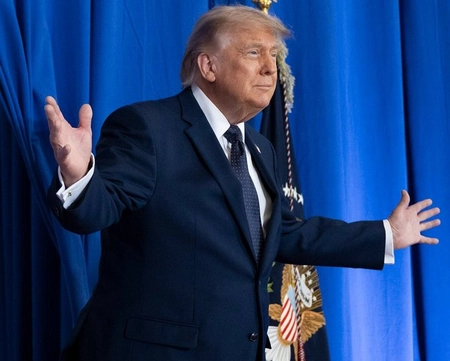
Former President Donald Trump has made a bold prediction regarding the implications of the Iran conflict on global oil prices. He asserts that once the tensions surrounding Iran are resolved, there will be a significant drop in gasoline prices. This statement reflects Trump’s ongoing focus on energy policy and its direct impact on the economy, particularly for American consumers.
Trump’s comments highlight the intricate relationship between geopolitical events and fuel prices. The Iranian conflict has long been a point of contention that influences oil markets, primarily due to Iran’s substantial role as a major oil producer in the region. Any instability in the area often leads to fears of supply disruptions, which can drive prices up. Conversely, a resolution could restore confidence in the oil supply chain, potentially leading to lower prices at the pump for consumers.
The former president’s prediction also underscores the critical importance of energy independence and the ability of the United States to manage its own oil resources. By emphasizing that peace in the region could lead to lower prices, Trump is tapping into the broader narrative of how international relations shape domestic economic conditions. This perspective is particularly relevant as fuel prices significantly affect inflation and the overall financial well-being of American households.
In essence, Trump’s statement serves as a reminder of the interconnectedness of global politics and local economies. As the world watches developments in Iran, the potential for a shift in oil prices remains a significant topic of discussion among policymakers, economists, and consumers alike. The outcome of such geopolitical events will undoubtedly continue to influence not only the oil markets but also the everyday lives of people around the globe.