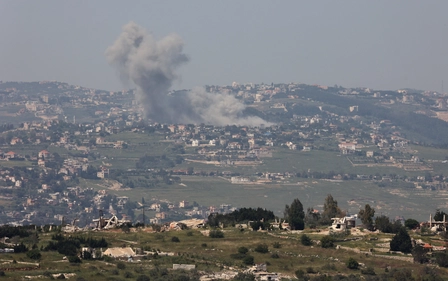
Following a missile barrage from Iran, Israel has launched retaliatory airstrikes targeting military installations in western and central Iran. This escalation of military actions marks a significant increase in tensions between the two nations, which have long been adversaries in the region. The missile attack from Iran was perceived as a direct threat to Israel’s national security, prompting the Israeli defense forces to respond swiftly and decisively.
The airstrikes aimed to dismantle key military infrastructure that could potentially be used against Israel in future conflicts. Intelligence reports indicated that these military sites housed advanced weaponry and missile systems, which posed a significant risk to Israeli territory. In response to the barrage, Israeli officials emphasized the importance of protecting their sovereignty and maintaining regional stability, asserting that such military actions are a necessary measure to deter further aggression.
This cycle of retaliation not only exacerbates the volatile situation between Iran and Israel but also raises concerns about broader regional implications. Other countries in the Middle East are closely monitoring these developments, as they fear that continued hostilities could lead to a wider conflict involving multiple nations. Diplomatic efforts to de-escalate tensions have often struggled to gain traction, with both sides entrenched in their positions.
The international community is also paying attention to this escalating situation, as it could have significant repercussions for global security and energy markets. As both nations prepare for a potential continuation of hostilities, the hope remains that diplomatic channels can be utilized to prevent a full-scale conflict. The situation remains fluid, with developments occurring rapidly as each side assesses its military capabilities and strategic options.