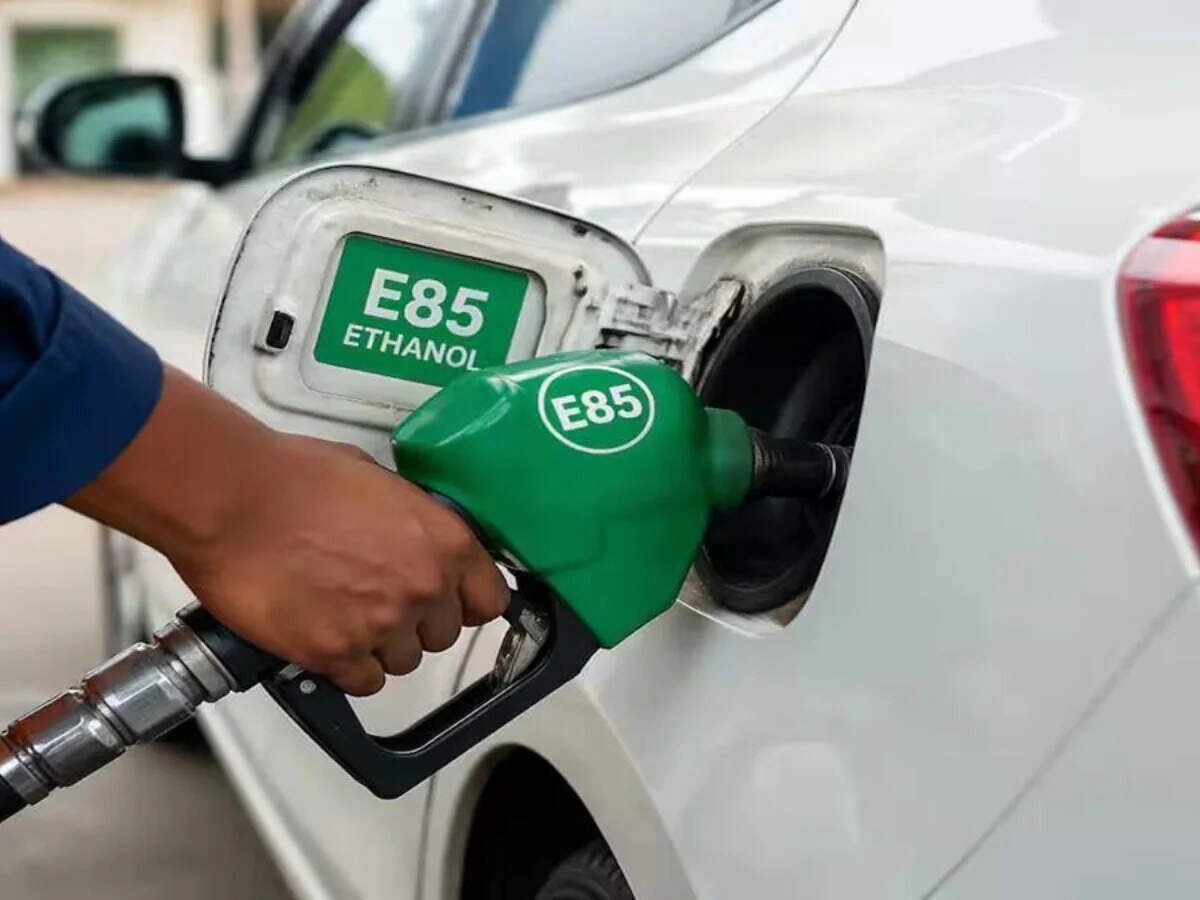
E85 fuel, which is a blend of 85% ethanol and 15% gasoline, offers several advantages but also comes with certain risks that vehicle owners should be aware of before using it. One of the primary benefits of E85 is its potential for reduced greenhouse gas emissions compared to traditional gasoline. Ethanol, being a renewable resource derived from plant materials, can help in decreasing the carbon footprint associated with fuel consumption. Additionally, E85 is often cheaper than conventional gasoline, making it an attractive option for budget-conscious drivers. The higher ethanol content can also provide a performance boost in certain vehicles specifically designed to run on flex-fuel, allowing for improved horsepower and torque.
However, the use of E85 is not without its risks. One major concern is that not all vehicles are compatible with this fuel type. Cars that are not designed for E85 may experience engine problems, including fuel system corrosion and damage to critical components. Ethanol can absorb moisture and, when mixed with gasoline, can lead to phase separation, where the water and ethanol settle at the bottom of the tank, causing potential fuel delivery issues. Additionally, the higher ethanol content can lead to lower fuel economy, meaning drivers may find themselves refueling more often than they would with regular gasoline.
Before switching to E85, it is crucial for vehicle owners to verify whether their vehicle is compatible with this fuel type. Checking the owner’s manual or consulting with the manufacturer can provide clarity on whether using E85 is safe for a particular model. Moreover, drivers need to consider their driving habits and the climate in which they live, as E85 may not perform optimally in colder temperatures. Overall, while E85 fuel presents a viable alternative with environmental benefits and cost savings, the associated risks necessitate careful consideration and understanding to avoid potential engine damage.