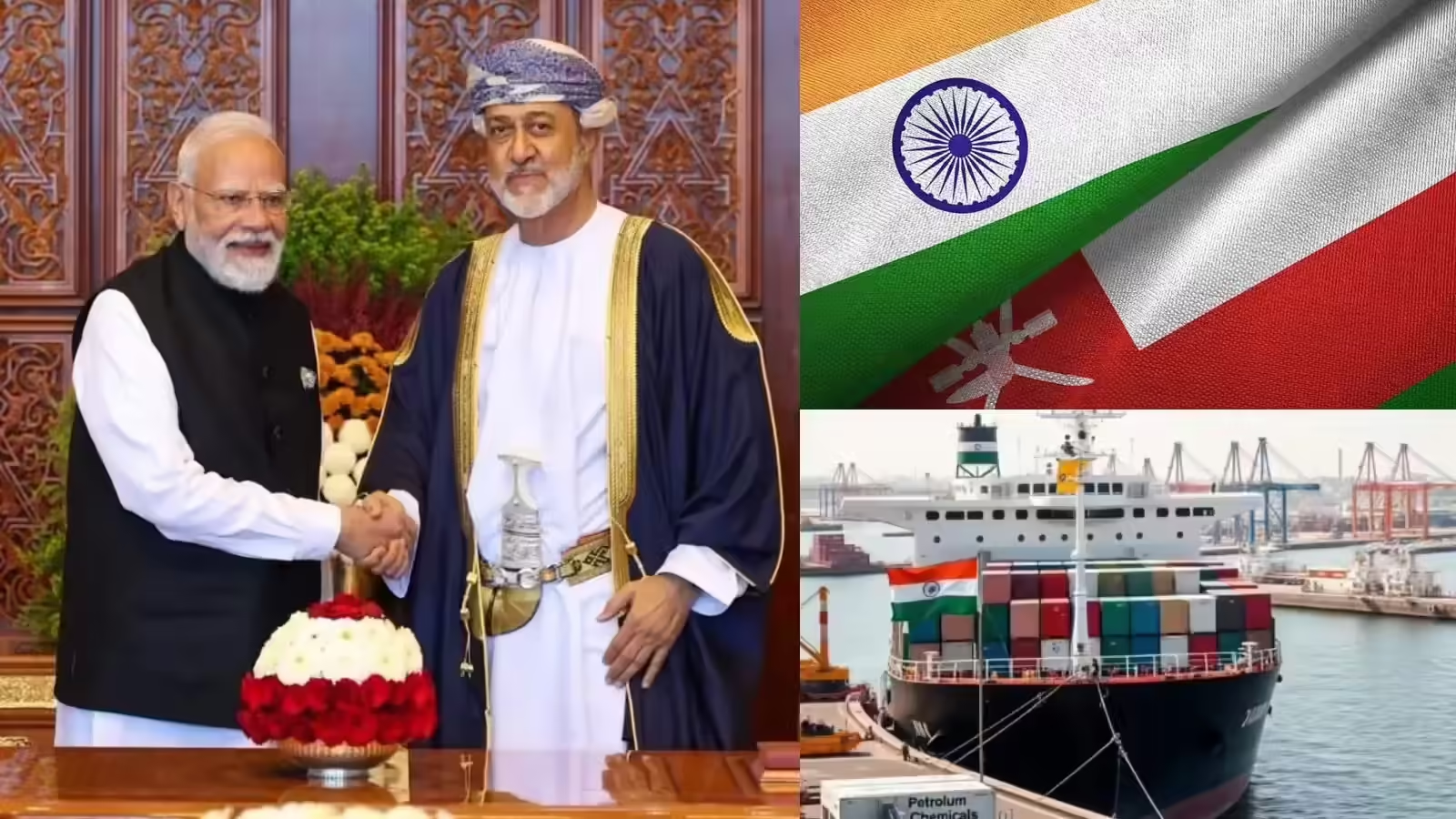
Today marks the implementation of the India-Oman trade agreement, a significant milestone in enhancing economic relations between the two nations. This agreement is expected to open up numerous avenues for collaboration across various sectors. From textiles to information technology, the trade deal aims to facilitate smoother exchanges and bolster trade activities, benefiting professionals and industries alike.
One of the key areas that will see immediate impact is the textile industry. Both countries have a rich heritage in textiles, and this agreement will help in promoting the exchange of goods, technology, and expertise. Indian textile manufacturers will have better access to the Omani market, while Omani exporters can explore opportunities in India’s vast consumer base. This mutual cooperation could lead to a surge in textile exports and imports, fostering growth and innovation in this sector.
In addition to textiles, the agreement also encompasses the IT sector, which plays a pivotal role in the modern economy. Indian IT professionals will find new avenues for collaboration and project opportunities in Oman, while Omani firms can leverage India’s advanced technological capabilities. This partnership is expected to enhance the skill sets of professionals from both nations and promote knowledge sharing, ultimately driving growth in the digital economy.
Overall, the India-Oman trade agreement is a comprehensive effort to strengthen bilateral ties and create a framework for sustained economic cooperation. As both countries work together, they will not only enhance their trade volumes but also foster cultural exchanges and build lasting partnerships across various sectors. This initiative is a promising step towards a more integrated regional economy, benefiting both nations in the long run.