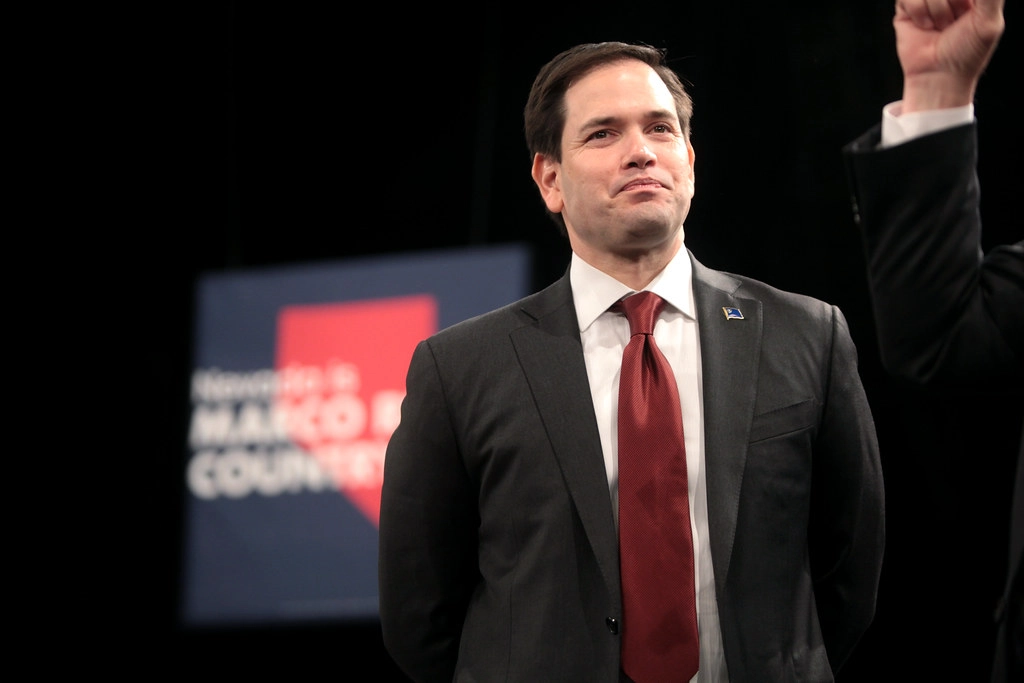
Marco Rubio’s recent visit to India has sparked considerable debate regarding the future of U.S.-India relations. As a prominent U.S. Senator and a key figure in shaping foreign policy, Rubio’s trip was anticipated to strengthen ties between the two nations. However, the visit raised significant questions about the trajectory of this vital partnership. Observers noted that while the trip included discussions on trade, security, and counter-terrorism, it also highlighted underlying tensions that could complicate future cooperation.
One of the most pressing concerns stemming from Rubio’s visit is the ongoing geopolitical competition in the Indo-Pacific region. As China expands its influence, both the United States and India find themselves navigating a complex landscape of alliances and rivalries. Rubio’s meetings with Indian leaders underscored the importance of a robust strategic partnership, yet the nuances of these discussions revealed differing priorities and perspectives. For instance, India’s cautious approach to engaging with the U.S. on defense matters reflects its desire to maintain strategic autonomy, which could pose challenges for deeper collaboration.
Furthermore, the economic dimensions of U.S.-India relations were also a focal point during Rubio’s trip. Discussions surrounding trade agreements and investment opportunities revealed the potential for economic growth; however, lingering trade disputes and regulatory hurdles remain significant obstacles. The evolving nature of global supply chains and the need for resilience against external shocks, such as those experienced during the pandemic, have made these discussions even more critical. As both nations strive to enhance their economic ties, the question remains whether they can overcome these barriers to create a mutually beneficial relationship.
In conclusion, Marco Rubio’s visit to India has left many questions unanswered regarding the future of U.S.-India relations. While the trip aimed to reinforce strategic and economic partnerships, the complexities of geopolitical dynamics, differing priorities, and ongoing trade challenges suggest that the path forward may not be straightforward. As both countries look to navigate these issues, the outcomes of such high-level engagements will be crucial in determining the strength and resilience of their bilateral relationship in the years to come.