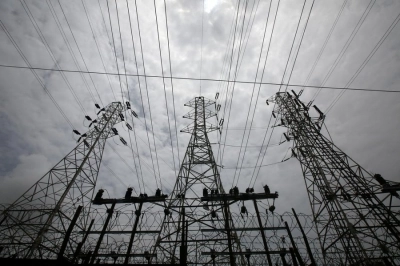
In Uttar Pradesh, a fuel surcharge has been implemented, which will require consumers to pay an additional 10 percent on their electricity bills for the month of June. This decision comes as a response to the rising costs of fuel, which have significantly impacted the overall expenses associated with electricity generation and distribution. The government has stated that the surcharge is necessary to ensure the stability of the power supply and to manage the financial health of the electricity distribution companies.
This additional charge, while aimed at maintaining service quality, has raised concerns among consumers who are already facing financial pressures due to various economic factors. The implementation of the surcharge means that households will need to budget for a higher electricity bill, which could lead to increased strain on their finances. Many residents are voicing their dissatisfaction, as they feel that the added cost is an unfair burden, particularly when they are already managing other rising living expenses.
The decision has sparked discussions about the long-term implications for energy policies in the state. Stakeholders and consumer rights groups are urging the government to reconsider such surcharges and to explore alternative solutions that do not place the financial burden solely on consumers. There is a growing call for transparency in how these additional charges are calculated and for more sustainable practices in energy production that could help mitigate future increases in costs. Overall, the fuel surcharge has become a contentious issue in Uttar Pradesh, highlighting the challenges faced by both consumers and the government in balancing energy needs and economic realities.