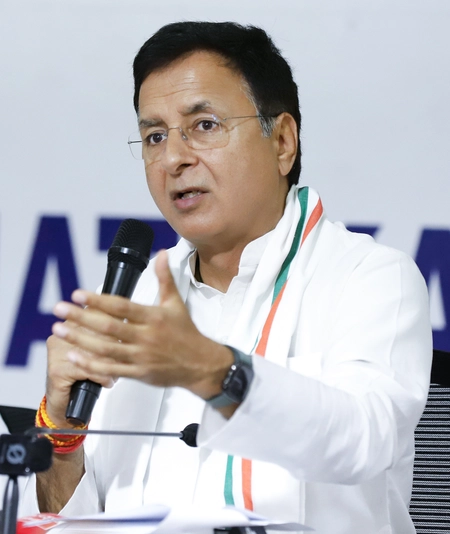
Surjewala has dismissed the speculations surrounding ‘power sharing’ in Karnataka. He emphasized that the discussions regarding such arrangements are unfounded and not based on the current political reality in the state. In a political landscape often characterized by shifting alliances and power dynamics, the notion of power sharing can frequently lead to rumors and conjectures. However, Surjewala’s firm stance indicates a commitment to transparency and clarity in the political process.
The context of these discussions usually revolves around the coalition dynamics within the Karnataka government, where various parties may have differing interests and agendas. Surjewala’s rejection of power-sharing talks suggests that the coalition partners are likely to remain focused on their respective roles and responsibilities rather than engaging in negotiations that could destabilize the current administration. This assertion aims to reinforce stability within the government and provide a clear message to constituents about the priorities of the ruling coalition.
In addition, Surjewala’s comments may serve to quell any unrest or dissatisfaction among party supporters who could be concerned about the implications of power-sharing arrangements. By addressing these speculations head-on, he aims to maintain the confidence of the electorate in the government’s ability to govern effectively without unnecessary distractions. The political environment in Karnataka, like many other regions, is often volatile, and managing perceptions is crucial for any governing party to ensure continued support and legitimacy.