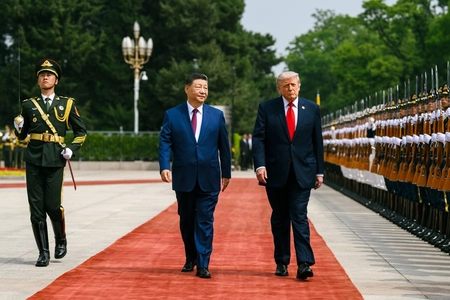
Experts have observed that while the recent summit between Trump and Xi delivered both symbolic and strategic messages, it ultimately failed to yield concrete results. The meeting served as a platform for both leaders to express their perspectives and intentions regarding bilateral relations, particularly in light of ongoing trade tensions and geopolitical challenges. The symbolic nature of their interaction was evident in the gestures and rhetoric employed by both parties, which aimed to project a sense of cooperation despite underlying differences.
However, the lack of tangible outcomes raises questions about the effectiveness of such high-profile diplomatic engagements. Analysts argue that without specific agreements or actionable steps, the summit risks being perceived as little more than a diplomatic photo opportunity. The discussions may have touched on important issues such as trade, security, and climate change, but without follow-up measures, the potential for meaningful progress remains limited.
Furthermore, the dynamics of U.S.-China relations are highly complex, influenced by a multitude of factors including domestic politics, economic competition, and global stability. The summit could have been an opportunity to address these multifaceted challenges comprehensively, yet it seems that both leaders opted for a more cautious approach. As the world watches closely, the expectation is that future dialogues will lead to more substantial commitments that can foster a more stable and constructive relationship between the two nations. The need for concrete results is imperative, as both countries navigate a rapidly changing international landscape that requires cooperation on various fronts.