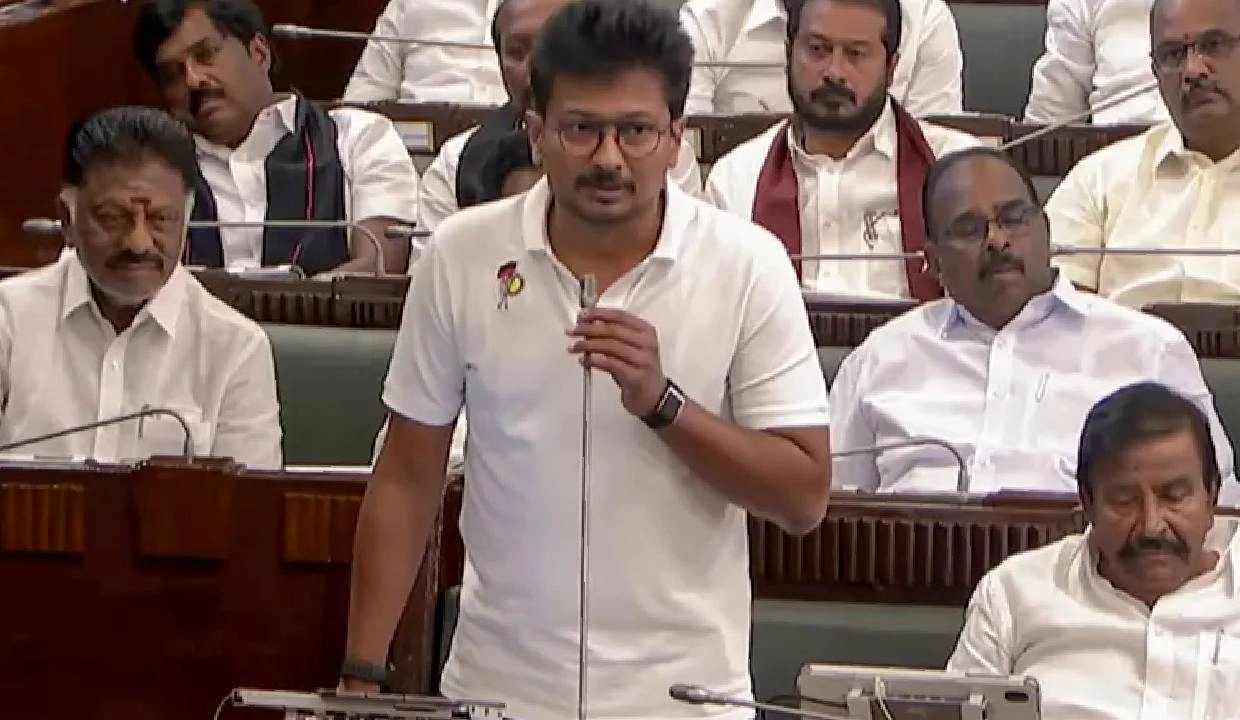
A political controversy has erupted in the Tamil Nadu Assembly due to remarks made about Sanatan Dharma by a legislator from the Tamil Nadu Thowheed Jamath (TVK). The comments have sparked significant unrest and debate among various political factions in the state. The statement made by the TVK member has drawn criticism from multiple quarters, leading to a heated exchange among lawmakers during the session. This controversy highlights the ongoing tensions surrounding religious sentiments and the political implications of such discussions in Tamil Nadu, a state known for its diverse cultural and religious landscape.
The remarks in question have not only led to uproar within the assembly but have also been met with backlash from different community leaders and political parties. This incident underscores the sensitive nature of religious discourse in Indian politics, particularly in a state like Tamil Nadu where caste and religion often intersect with political identities. Political analysts suggest that such comments can have far-reaching effects, influencing voter sentiments and potentially altering the dynamics of upcoming elections.
As the situation unfolds, it remains to be seen how the ruling party and opposition will navigate this controversy. The ongoing debates may serve as a litmus test for political strategies in addressing religious issues, which are often pivotal in shaping public opinion. The legislative assembly’s proceedings reflect broader societal debates, and the reactions to the TVK legislator’s statements may indicate shifting attitudes towards Sanatan Dharma and its place in contemporary Tamil society. This incident exemplifies the intricate relationship between politics and religion in India, where discussions on faith can rapidly escalate into significant political events.