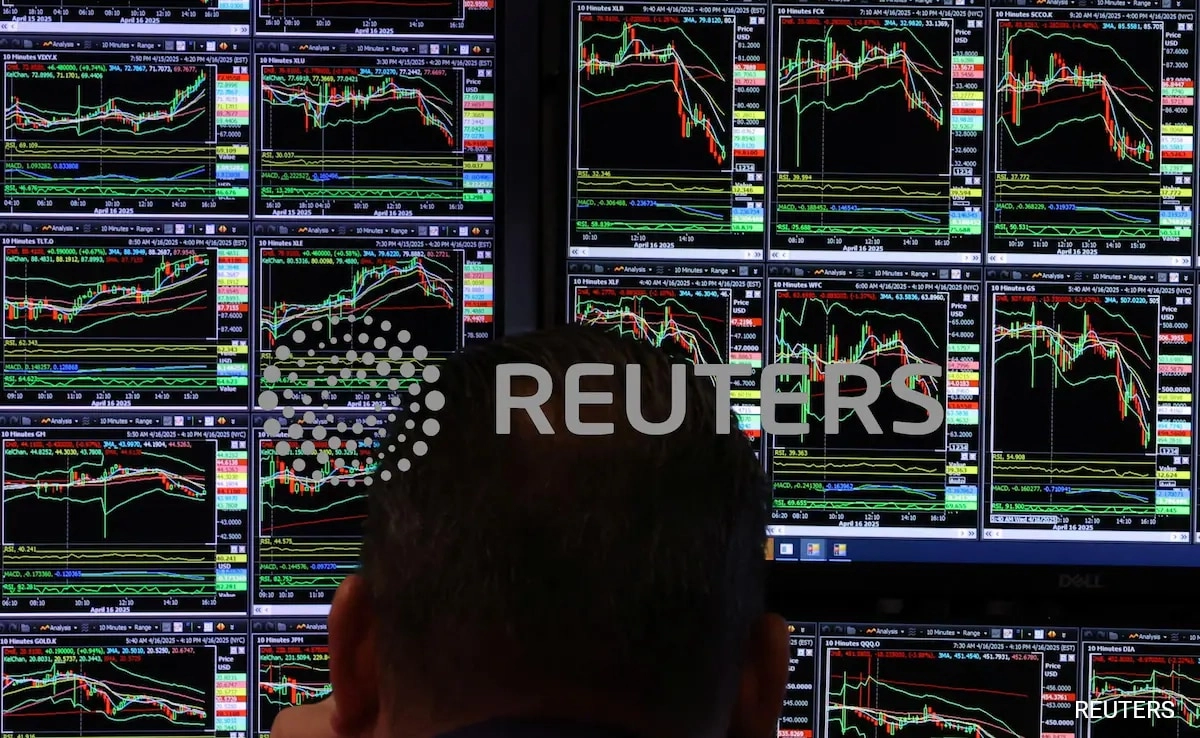
Donald Trump’s trade war has had significant repercussions across the business landscape, with its effects reverberating through various sectors of the economy. The imposition of tariffs and trade barriers has created an environment of uncertainty, leading to fluctuations in stock prices as investors react to the evolving situation. Companies that rely heavily on international supply chains have faced increased costs, which in turn affects their profitability and stock performance. As businesses grapple with these challenges, the overall market sentiment remains cautious, causing stock indices to experience volatility.
The trade war has not only impacted American companies but has also had a ripple effect on global markets. Countries involved in trade with the United States have adjusted their own policies in response to tariffs, leading to a series of retaliatory measures. This interconnectedness means that even companies that may not be directly involved in trade with China or other affected nations can feel the impact, as global supply chains become disrupted. Investors are closely monitoring these developments, as the potential for an escalation in trade tensions could lead to further declines in stock values.
Furthermore, the uncertainty surrounding the trade war has led many companies to reconsider their investment strategies. Businesses are now more cautious about expansion plans and capital expenditures, opting instead to focus on maintaining operational efficiencies in the face of rising costs. This cautious approach can stifle economic growth and innovation, ultimately affecting the long-term viability of many firms. As companies navigate these challenges, the overall health of the stock market hangs in the balance, with analysts warning that continued trade hostilities could lead to significant market corrections.
In summary, the ramifications of Trump’s trade war are complex and far-reaching, impacting not just the immediate players involved but also the broader economy and stock market. As companies adjust to the new trade realities, the uncertainty continues to create a challenging environment for investors. The need for strategic adaptation has never been more crucial, as the landscape continues to evolve, and the potential for further disruptions remains a prevalent concern. The business world watches closely, knowing that the outcome of these trade negotiations could shape the economic future for years to come.