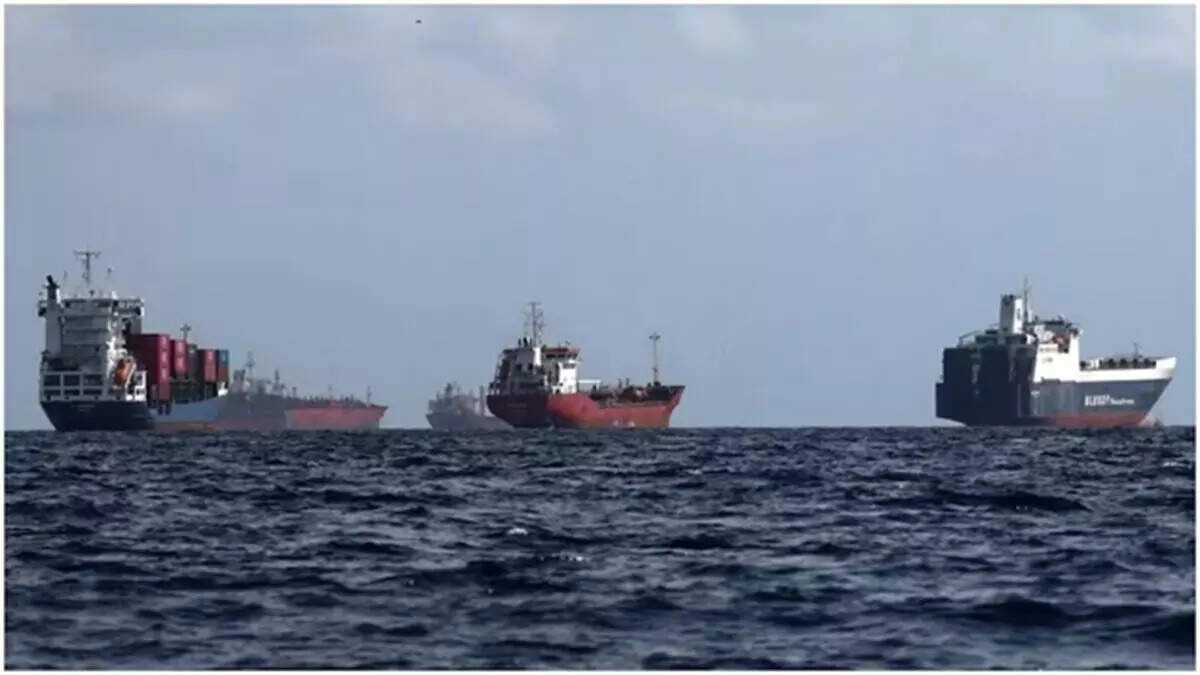
India has received reassuring news regarding the potential impacts of the closure of the Strait of Hormuz, a critical waterway for global oil transport. Despite concerns surrounding the security of oil supplies, experts suggest that India will not face significant repercussions from such a closure. The Strait of Hormuz is a vital artery that facilitates the movement of a large percentage of the world’s oil, primarily from the Gulf countries. However, India’s diversified energy strategy and its efforts to reduce dependency on any single source or route for oil imports may cushion the country from potential disruptions.
Moreover, the recent discord within the Organization of the Petroleum Exporting Countries (OPEC) could present India with an advantageous opportunity. With OPEC members experiencing internal disagreements, there may be fluctuations in oil prices and supply dynamics. If OPEC struggles to maintain a unified stance, it could lead to lower oil prices, benefitting countries like India that rely heavily on oil imports. This scenario could allow India to negotiate better deals and secure more favorable terms for its oil purchases, thereby enhancing its energy security.
In addition to the potential price benefits, India’s proactive approach to exploring alternative energy sources and increasing domestic production will further strengthen its position in the global energy landscape. The country has been investing in renewable energy and seeking partnerships for technology transfer, which can help reduce reliance on imported oil in the long run. As geopolitical tensions and market fluctuations continue to shape the energy sector, India’s resilience and strategic planning may ultimately turn challenges into opportunities for growth and stability.