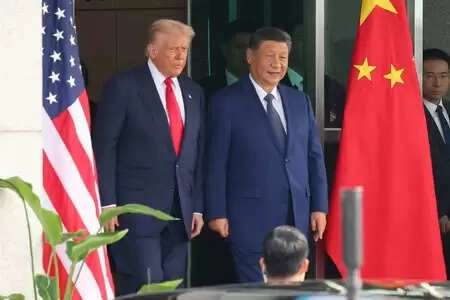
Four American presidents, including Donald Trump, have had close brushes with life-threatening attacks during their time in office. These incidents reveal not only the risks associated with the highest political office in the United States but also highlight the measures taken to ensure the safety of the president. Throughout history, the security of the president has been a paramount concern, leading to the establishment of various protective protocols.
Donald Trump’s presidency was marked by several security threats, including protests that escalated into potentially violent confrontations. One notable incident was during his campaign rallies, where tensions frequently flared, leading to heightened security measures. However, Trump’s experience is not unique, as other presidents have also faced life-threatening situations. For example, President Ronald Reagan survived an assassination attempt in 1981 when a gunman fired six shots at him; he was seriously injured but ultimately recovered.
Another significant case is that of President Abraham Lincoln, who was assassinated in 1865, showcasing the extreme risks faced by those in leadership positions. Similarly, President William McKinley was shot in 1901 but initially survived before succumbing to his injuries days later. These historical events underline the constant danger that presidents can encounter, often stemming from political dissent and societal unrest.
The evolution of protective measures for presidents has been significant, with the establishment of the Secret Service tasked with safeguarding the president and their family. This organization has adapted over the years to address the changing nature of threats, implementing advanced security technologies and strategies. Despite these efforts, the incidents involving presidents like Trump remind us that the office remains a target for violence, reflecting broader societal tensions and the polarized political climate.