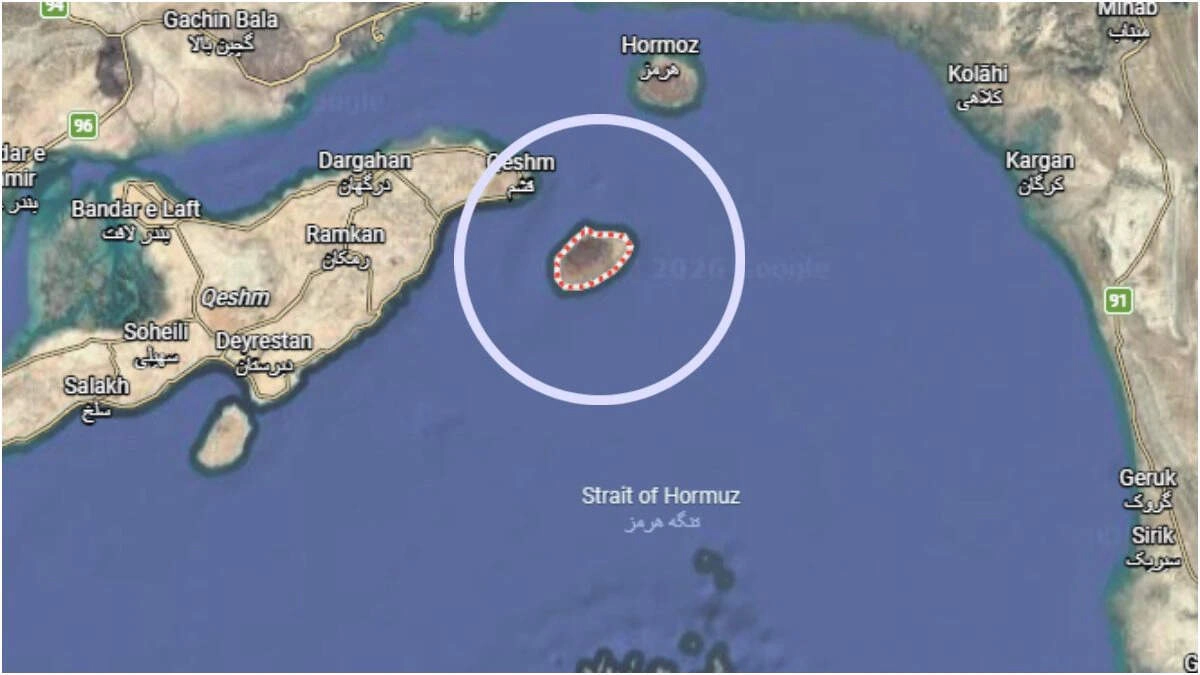
The Strait of Hormuz, a vital waterway in the Middle East, has long been a focal point of geopolitical tensions. At the heart of this strait lies Larak Island, a location that has become synonymous with danger and unease. This island, often overshadowed by the more prominent geopolitical issues in the region, is now gaining attention due to the presence of a controversial structure known as the ‘Killer Watch Tower.’ This tower has raised concerns not only among neighboring countries but also among global powers, as it serves as a symbol of escalating military presence and surveillance in a region fraught with conflict.
The Strait of Hormuz is crucial for the transportation of oil and natural gas, with a significant percentage of the world’s oil supply passing through its waters. Any disruption in this strait can have far-reaching consequences for the global economy. The construction of the Killer Watch Tower on Larak Island highlights the strategic importance of this area and underscores the growing militarization of maritime routes. As tensions rise between various nations, the watchtower serves both as a deterrent and a point of concern, reflecting the precarious balance of power in the region.
The implications of this development extend beyond mere military strategy; they also encompass environmental and navigational safety. The heightened military presence can lead to accidental confrontations, posing risks not only to naval vessels but also to the fragile marine ecosystem that thrives in these waters. Furthermore, the anxiety surrounding the watchtower has prompted discussions about the need for international dialogue and cooperation to ensure the free passage of ships and to prevent potential conflicts that could arise from miscalculations or misunderstandings.
In conclusion, Larak Island and the Killer Watch Tower represent more than just a geographical point; they symbolize the broader tensions that characterize the Strait of Hormuz. As the world watches closely, the situation serves as a reminder of the delicate interplay between security, economy, and diplomacy in one of the most strategically important regions on the planet. The fate of this waterway could very well determine the stability of international relations and economic conditions for years to come.