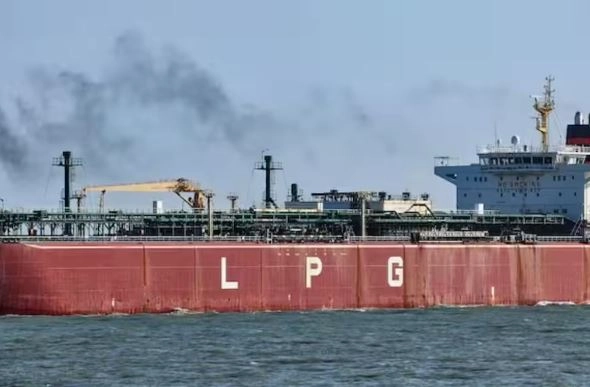
The Strait of Hormuz, a critical maritime passage, has recently become a focal point of concern due to the movements of Indian tankers in the region. Reports indicate that these vessels reached the strategic strait but subsequently made a U-turn, raising alarm bells regarding the safety of this essential sea route. The Strait of Hormuz is a vital chokepoint for global oil shipments, with a significant percentage of the world’s oil supply passing through its waters. The decision of the Indian tankers to turn back highlights the growing trepidation among shipping companies and nations regarding potential threats in the area.
The safety of maritime routes in the Strait of Hormuz has come under scrutiny, particularly in light of increasing geopolitical tensions in the Middle East. Various nations have expressed concern about the security of their vessels as they navigate this crucial waterway. The Indian tankers’ retreat has sparked discussions about the implications for regional trade and the stability of oil supply chains. With the ongoing complexities of international relations, the Strait of Hormuz remains a hotspot for potential conflicts, making it imperative for shipping companies to assess the risks involved in traversing this route.
As the situation unfolds, questions surrounding maritime safety protocols and international cooperation in safeguarding these waterways are becoming increasingly pertinent. Countries reliant on oil imports are urged to consider alternative shipping routes or bolster security measures for vessels operating in the region. The incident involving the Indian tankers serves as a reminder of the fragility of global trade networks and the critical importance of ensuring safe passage for commercial shipping. As tensions continue to simmer, it remains to be seen how nations will react to ensure the safety and security of one of the world’s most vital maritime corridors.