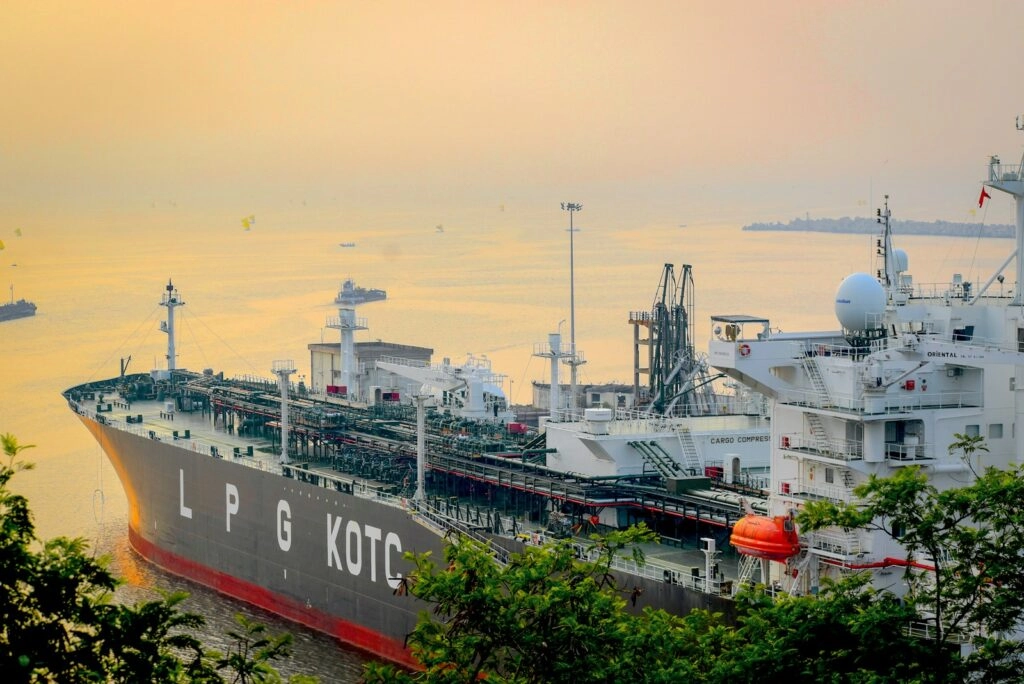
India has firmly rejected a proposal concerning the imposition of shipping tolls in the Strait of Hormuz, despite the recent establishment of a ceasefire transit plan in the region. The Strait of Hormuz is a critical waterway for global oil trade, with a significant percentage of the world’s petroleum passing through this narrow passage. The proposed tolls were intended to support maritime security and ensure safe passage for vessels navigating through these tumultuous waters. However, India, which heavily relies on this route for its energy imports, views such a measure as an unnecessary financial burden that could further complicate the already delicate geopolitical situation in the area.
The Indian government’s decision stems from its broader strategic interests and its commitment to maintaining free navigation in international waters. Officials have expressed concerns that implementing tolls could lead to an escalation of tensions among nations that depend on the Strait of Hormuz for their economic stability. By rejecting the proposal, India aims to assert its stance on safeguarding maritime routes from any unilateral actions that may disrupt trade and elevate costs for shipping companies and consumers alike.
Additionally, India’s rejection aligns with its long-standing policy of advocating for unhindered access to international shipping lanes. The nation has consistently emphasized the importance of cooperative security measures rather than unilateral toll impositions, which could set a precedent for other maritime chokepoints around the world. India’s position reflects its commitment to fostering a stable and secure maritime environment, critical for its economic growth and energy security.
In light of the ceasefire transit plan, India’s decision also signals its cautious approach toward regional conflicts. While the ceasefire represents a positive step toward reducing hostilities, the proposal for tolls could have undermined the fragile peace by introducing new economic pressures. India’s diplomatic strategy seems focused on encouraging dialogue and collaboration among nations operating in the region, rather than allowing financial mechanisms to dictate maritime governance.
Overall, India’s rejection of the shipping toll proposal underscores its dedication to ensuring free and open navigation in the Strait of Hormuz. By prioritizing cooperative security over financial tolls, India aims to contribute to regional stability while safeguarding its economic interests amidst a complex geopolitical landscape.