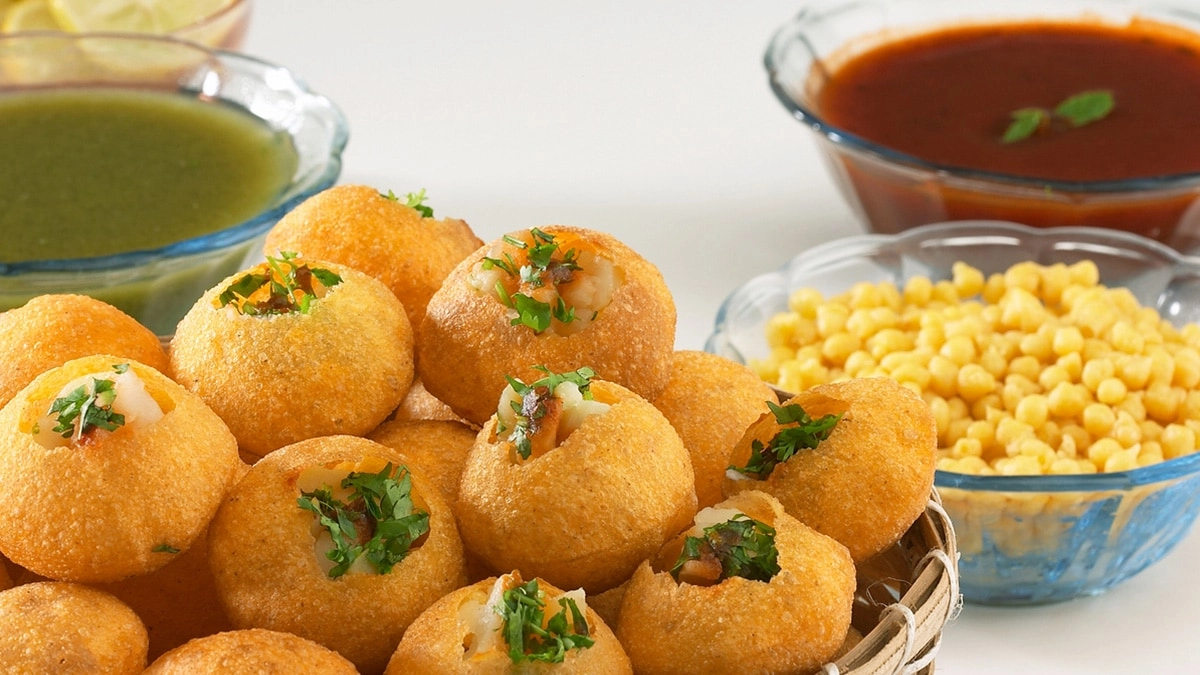
Recently, a delightful internet trend has captured the attention of social media users, revolving around the iconic Indian snack: golgappa. This viral reel humorously contrasts two popular flour types used in making these delectable treats— Aata (whole wheat flour) and Suji (semolina). The video cleverly personifies each ingredient, attributing distinct personalities and characteristics that resonate with the audience’s experiences and preferences. Aata is portrayed as the wholesome, traditional choice, embodying familiarity and comfort, while Suji is depicted as the trendy, modern option, appealing to those seeking a twist on the classic.
The charm of this viral content lies in its relatability. Many viewers have fond memories associated with golgappa, often enjoyed during family gatherings or street food excursions. By giving Aata and Suji human-like traits, the reel taps into the nostalgia of shared culinary experiences, allowing individuals to reflect on their own preferences and the stories behind them. The lighthearted banter between the two personalities provides a comedic element that enhances the overall enjoyment, inviting viewers to engage and share their thoughts on which version they prefer.
As the reel gained traction, it sparked discussions across various social media platforms. Users began sharing their own anecdotes related to golgappa, revealing not only their ingredient preferences but also the cultural significance of this beloved snack. Some users reminisced about their childhood experiences of running to the local vendor, while others shared innovative recipes that incorporate Aata or Suji in unique ways. This viral trend not only showcases the creativity of content creators but also highlights the power of food in bringing people together, creating a sense of community and shared joy.
In a world increasingly dominated by fast-paced trends, this lighthearted portrayal of Aata and Suji serves as a reminder of the simple pleasures that food brings to our lives. It showcases how even the smallest aspects of our culinary culture can resonate deeply, sparking conversations and connections among diverse audiences. As the internet continues to evolve, such engaging content reminds us of the joy inherent in our everyday experiences, celebrating the flavors and traditions that define us. Through the lens of golgappa, we are invited to reflect on our own culinary journeys, fostering a greater appreciation for the rich tapestry of food culture that unites us all.