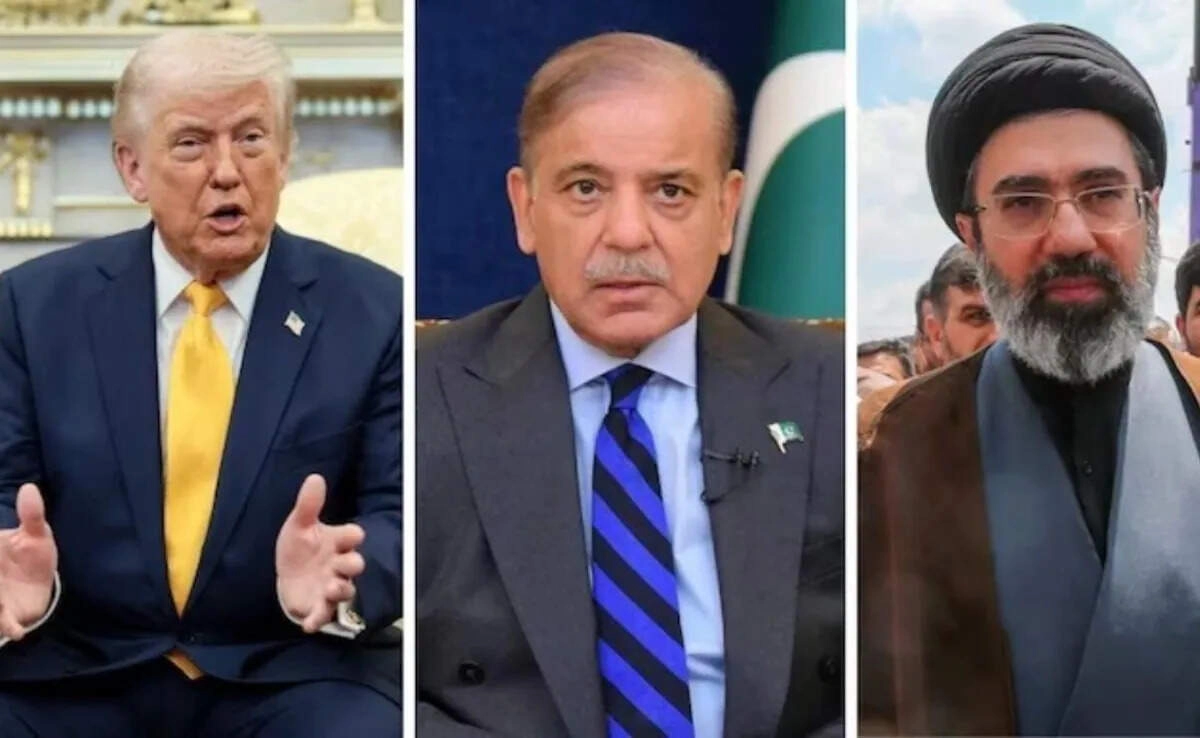
Pakistan attempted to position itself as a mediator in the ongoing dispute between Iran and the United States, hoping to play a significant role in easing tensions in the region. However, in a surprising turn of events, Pakistan found itself entangled in a financial predicament that could cost the nation around 3.5 billion dollars. This unexpected situation has raised questions about Pakistan’s diplomatic strategy and its ability to manage complex international relations.
Historically, Pakistan has sought to maintain a balanced approach in its foreign policy, aiming to foster good relations with both Iran and the United States. However, the delicate nature of these relationships has often led to complications. The recent developments indicate that while Pakistan aimed to facilitate dialogue between the two nations, it inadvertently stepped into a financial liability that could have severe implications for its economy. The potential payment of 3.5 billion dollars highlights the risks involved in diplomatic engagements, especially when dealing with contentious issues.
As Pakistan navigates this challenging landscape, it must reassess its role and strategy in international diplomacy. The situation serves as a reminder of the complexities of geopolitical negotiations, where the line between mediation and entanglement can often blur. With its economy already facing various challenges, the financial burden of this dispute could strain Pakistan’s resources further, making it imperative for the government to devise a clear strategy to mitigate the fallout from this unexpected turn of events.