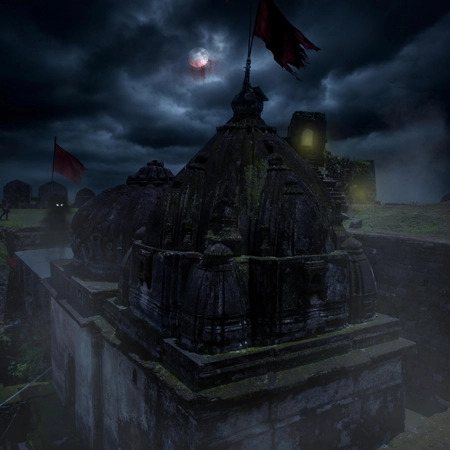
The unsolved mystery of the Asirgarh Fort continues to intrigue historians and locals alike. Nestled in the heart of Madhya Pradesh, this fort stands as a testament to India’s rich history and architectural brilliance. Despite being a historical site with a deep connection to the past, the fort’s closed doors keep many secrets hidden. One such mystery revolves around the worship of Lord Mahadev within its confines. It raises questions about who continues to perform rituals and prayers in a space that seems to be largely inaccessible.
Local legends suggest that the fort, built in the 15th century, has always been shrouded in an air of mystique. Over the years, stories have emerged about devotees who, regardless of the fort’s closed-off status, manage to pay homage to Lord Shiva. These tales often depict clandestine gatherings and secretive rites that occur under the cover of darkness. The fort’s strategic location and historical significance have made it a focal point for various cultural and religious practices, further complicating the narrative of its present-day sanctity.
Moreover, the fact that worship continues despite the fort’s inaccessibility hints at a deeper connection between the place and its devotees. It suggests that the spiritual significance of Asirgarh Fort transcends physical barriers. This enduring faith raises intriguing questions about the nature of belief and devotion in contemporary times. Who are these worshippers, and what drives them to honor Lord Mahadev in such a secluded setting?
As researchers delve deeper into the history of Asirgarh Fort, they uncover layers of tradition and spirituality that have persisted through generations. This ongoing practice of worship speaks volumes about the fort’s enduring legacy and the power of faith in the face of obstacles. The mystery of who conducts these rituals may remain unsolved, but it undoubtedly adds to the allure of Asirgarh Fort, inviting more curiosity and exploration into its hidden past.