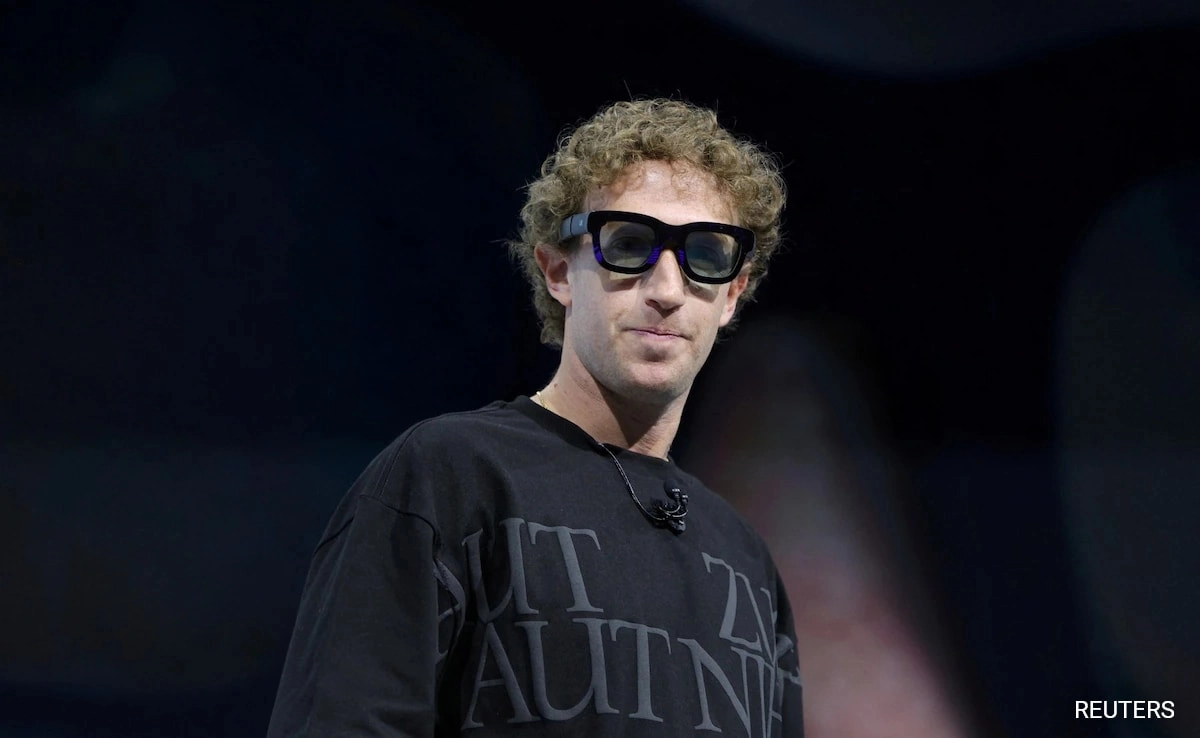
A recent whistleblower claim has sparked significant controversy, alleging that Mark Zuckerberg, the CEO of Meta Platforms (formerly Facebook), is not only misleading the American public but is also closely aligned with the Chinese government. This assertion raises serious questions about the integrity of social media platforms and their influence on public opinion and national security. The whistleblower, whose identity has not been disclosed, contends that Zuckerberg’s actions are indicative of a broader trend among tech giants prioritizing profit over ethical considerations and national interests.
The allegations suggest that Zuckerberg’s company has been complicit in facilitating the Chinese government’s agenda, potentially compromising user privacy and data security. Critics argue that such a collaboration undermines American values and poses a threat to democracy, as social media platforms wield unprecedented power in shaping narratives and influencing voter behavior. The implication that a major tech figure is operating “hand in glove” with a foreign government raises alarms about the potential for censorship and manipulation of information, which could have far-reaching implications for both domestic and international politics.
Furthermore, the whistleblower’s claims highlight a growing concern about the accountability of tech leaders in an increasingly interconnected world. As social media platforms become central to communication and information dissemination, the need for transparency and ethical responsibility among their leaders is more pressing than ever. The situation underscores the importance of regulatory oversight and the necessity for robust policies that protect users from potential exploitation by foreign entities. As the public grapples with these revelations, the demand for greater scrutiny of tech companies and their affiliations is likely to intensify, further complicating the already contentious landscape of digital privacy and national security.
In light of these developments, it becomes crucial for policymakers, industry leaders, and the public to engage in dialogue about the role of technology in society and the implications of foreign influence on domestic platforms. The accusations against Zuckerberg serve as a reminder of the delicate balance that must be maintained between innovation and ethical responsibility. As investigations unfold, the outcomes may shape not only the future of Meta but also set precedents for how technology companies operate in a globalized environment, particularly in relation to foreign powers.