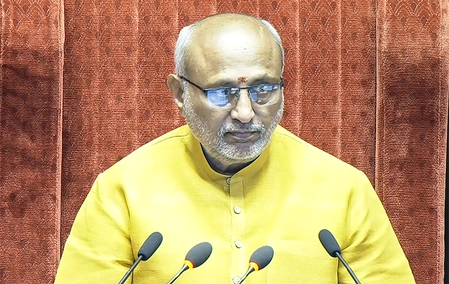
Vice President Radhakrishnan is set to lead a discussion focused on technology-driven legal services. In an era where technology plays a pivotal role in transforming various sectors, the legal field is no exception. The integration of advanced technologies, such as artificial intelligence, machine learning, and digital platforms, has the potential to revolutionize how legal services are delivered, making them more accessible and efficient.
During the discussion, Radhakrishnan will likely address the challenges and opportunities that arise from incorporating technology into legal practices. He may highlight how technology can streamline processes, reduce costs, and improve client-service interactions. Furthermore, the conversation will likely delve into the ethical implications of using technology in law, including issues of privacy, data security, and the potential for bias in automated systems.
The Vice President’s leadership in this discussion underscores the importance of adapting to the evolving landscape of legal services. As more individuals and businesses seek convenient and cost-effective legal solutions, it becomes essential for the legal profession to embrace technological advancements. This shift could lead to a more equitable access to justice, breaking down traditional barriers that often hinder individuals from seeking legal assistance.
Overall, the discourse on technology-based legal services is timely and relevant, as it aligns with global trends toward digitization and innovation. Radhakrishnan’s engagement in this topic signals a commitment to ensuring that the legal system evolves in tandem with technological advancements, ultimately benefiting society as a whole.