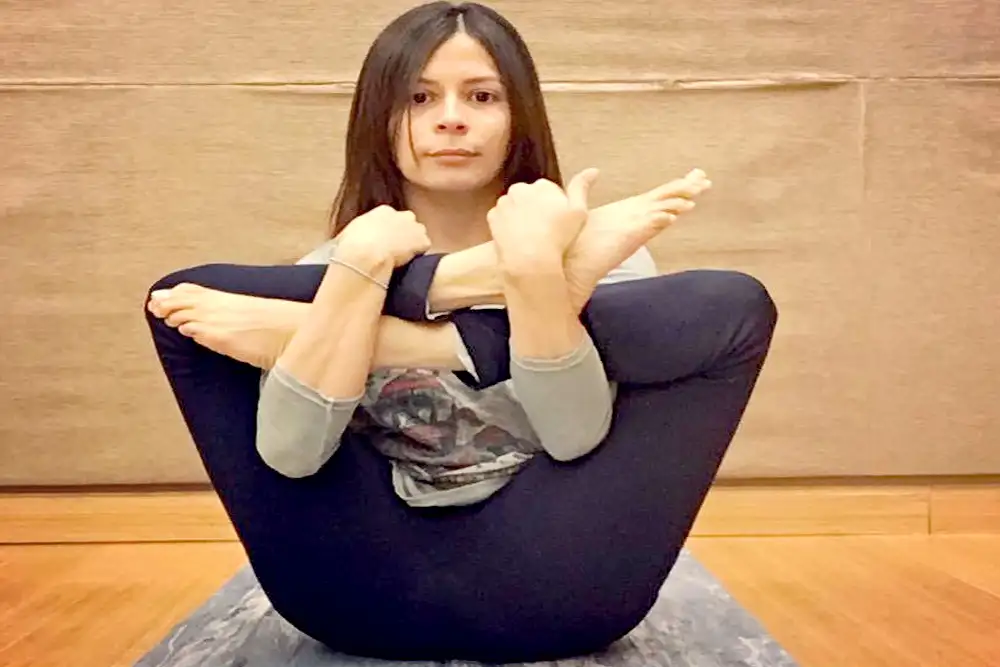
One of the most important asanas in yoga is the Padmasana, commonly known as the Lotus Pose. This seated posture is not only a symbol of tranquility and enlightenment but also provides numerous physical and mental benefits. To perform Padmasana, one must sit on the floor with legs crossed, placing each foot on the opposite thigh. This position promotes stability and encourages a deep sense of calm. It is often used as a meditative posture, allowing practitioners to focus inward and enhance their concentration.
The benefits of Padmasana extend beyond its aesthetic appeal. Physically, it helps improve flexibility in the hips, knees, and ankles, which can be particularly beneficial for individuals who spend long hours sitting or have a sedentary lifestyle. Regular practice of this asana can also strengthen the back and improve posture, reducing the likelihood of discomfort or pain. Furthermore, it stimulates the abdominal organs and enhances digestion, contributing to overall well-being.
Mentally, Padmasana offers significant advantages. It is known to reduce stress and anxiety, promoting a sense of inner peace. The pose encourages deep breathing, which can help calm the mind and enhance focus. As practitioners settle into the pose, they often find themselves better able to connect with their thoughts and emotions, fostering a greater understanding of oneself. Moreover, this asana is believed to activate the root chakra, which is associated with stability and grounding, helping individuals feel more centered in their daily lives.
Incorporating Padmasana into a regular yoga practice can lead to profound transformations, both physically and mentally. Whether one is seeking to improve flexibility, enhance concentration, or simply find a moment of peace in a hectic world, this powerful asana serves as a gateway to a deeper connection with oneself. As with all yoga practices, it is essential to approach this pose with mindfulness and respect for one’s body, ensuring that the practice remains safe and enjoyable.