When it comes to cooking, many of us find it convenient to prepare meals using frozen foods. However, not all frozen items should be cooked directly from their frozen state. Certain foods require careful handling to ensure both safety and optimal taste. Here are four foods you should avoid cooking straight from frozen.
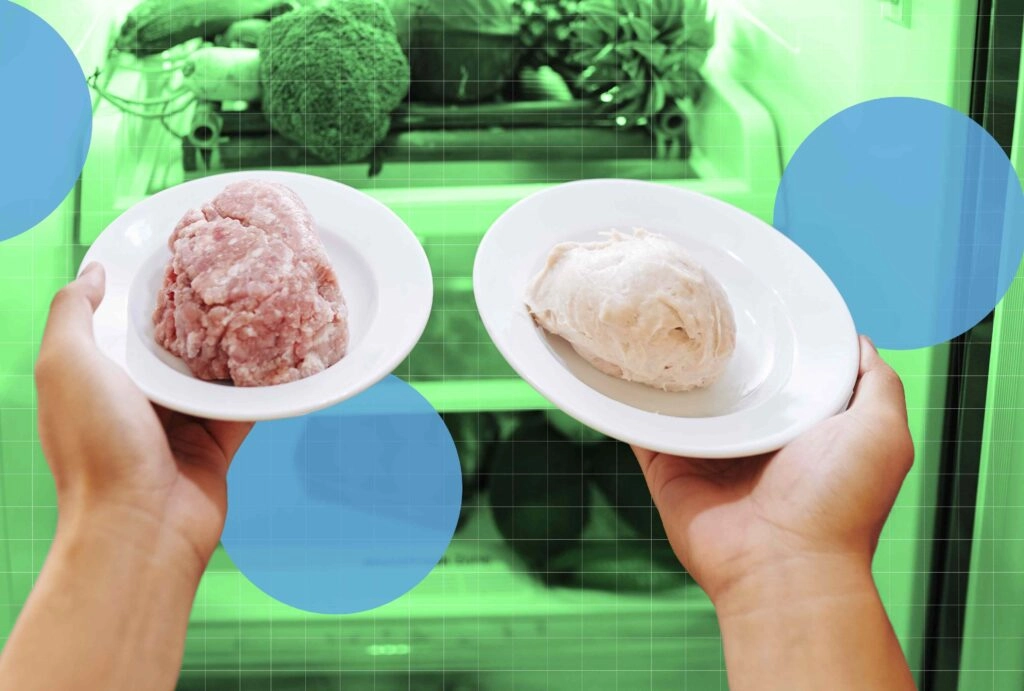
First on the list is poultry, such as chicken or turkey. Cooking poultry from frozen can lead to uneven cooking, which poses a risk of foodborne illnesses. The outer layers might reach a safe temperature while the inner parts remain undercooked. It’s advisable to thaw poultry in the refrigerator or use the defrost setting on your microwave before cooking. This not only ensures even cooking but also helps in retaining the moisture and flavor of the meat.
Next, we have seafood, particularly large fish fillets or shellfish. Cooking these items from frozen can result in a rubbery texture and a less appealing flavor. Thawing seafood gradually in the refrigerator allows the proteins to relax, leading to a better texture once cooked. For shrimp or smaller seafood, a quick soak in cold water can speed up the thawing process without compromising quality.
Another food to avoid cooking from frozen is certain types of vegetables, especially those that are meant to be sautéed or roasted. Frozen vegetables can release excess water when cooked directly from the freezer, resulting in a soggy texture. Thawing them first and then patting them dry can help achieve that crisp, vibrant quality we all desire in our vegetables. Lastly, whole potatoes or other starchy vegetables should be thawed before cooking. Cooking them from frozen can lead to an unevenly cooked interior while the exterior may become overcooked.
In summary, while frozen foods offer great convenience, understanding which items should be thawed before cooking can enhance both safety and flavor. By taking a little extra time to thaw poultry, seafood, vegetables, and starchy items, you can ensure a more delicious and satisfying meal.