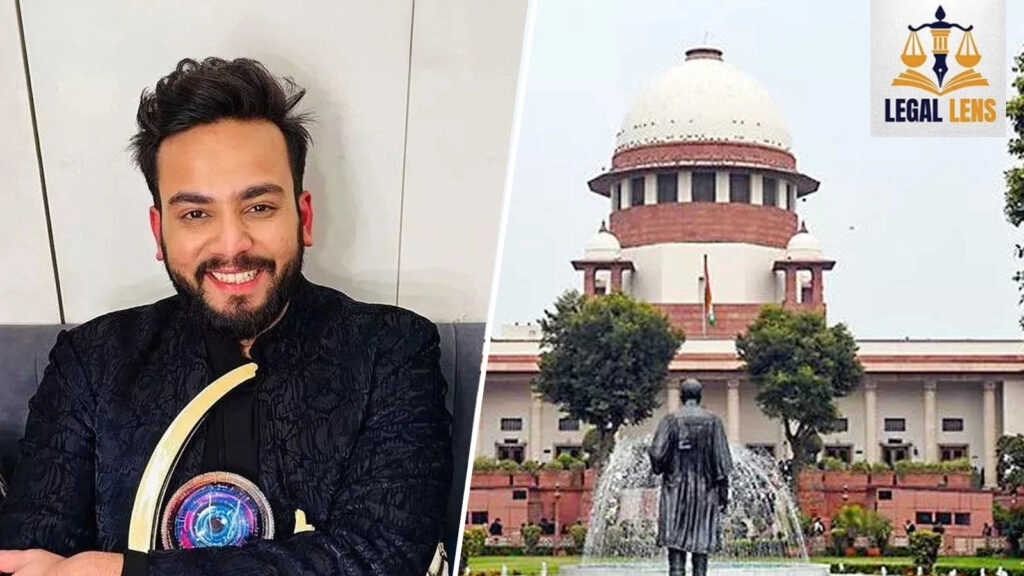
Elvish Yadav has recently regained his freedom, but the circumstances surrounding his case have raised significant questions about the integrity of the legal proceedings against him. The charges that led to his detention were widely perceived as flimsy and lacking a solid foundation. Critics argue that the case against Yadav was constructed on tenuous evidence, likening it to a structure built on sand—vulnerable and unstable. This situation has sparked debates about the fairness of the judicial process and the potential misuse of legal power.
Yadav, a prominent social media influencer and content creator, found himself embroiled in controversy that many believe was fueled by external pressures and public sentiment rather than concrete facts. The manner in which the case unfolded has drawn attention to broader issues within the legal system, particularly concerning how public figures are treated and the disproportionate attention they receive. The case’s conclusion, which saw Yadav regain his freedom, has left many questioning the motives behind the initial charges and the effectiveness of the legal standards applied in such high-profile situations.
As Elvish Yadav moves forward from this contentious chapter, the implications of his case resonate beyond his personal experience. It highlights the delicate balance between social media influence and legal accountability. The incident serves as a cautionary tale about the potential for public opinion to shape legal outcomes, often overshadowing the principles of justice and fairness. Many supporters and observers are now calling for reforms that would ensure a more equitable legal process for all individuals, particularly those in the public eye, to prevent similar occurrences in the future. The case has ignited a conversation about the need for transparency and accountability within the judicial system, emphasizing the importance of basing legal actions on solid evidence rather than public sentiment.