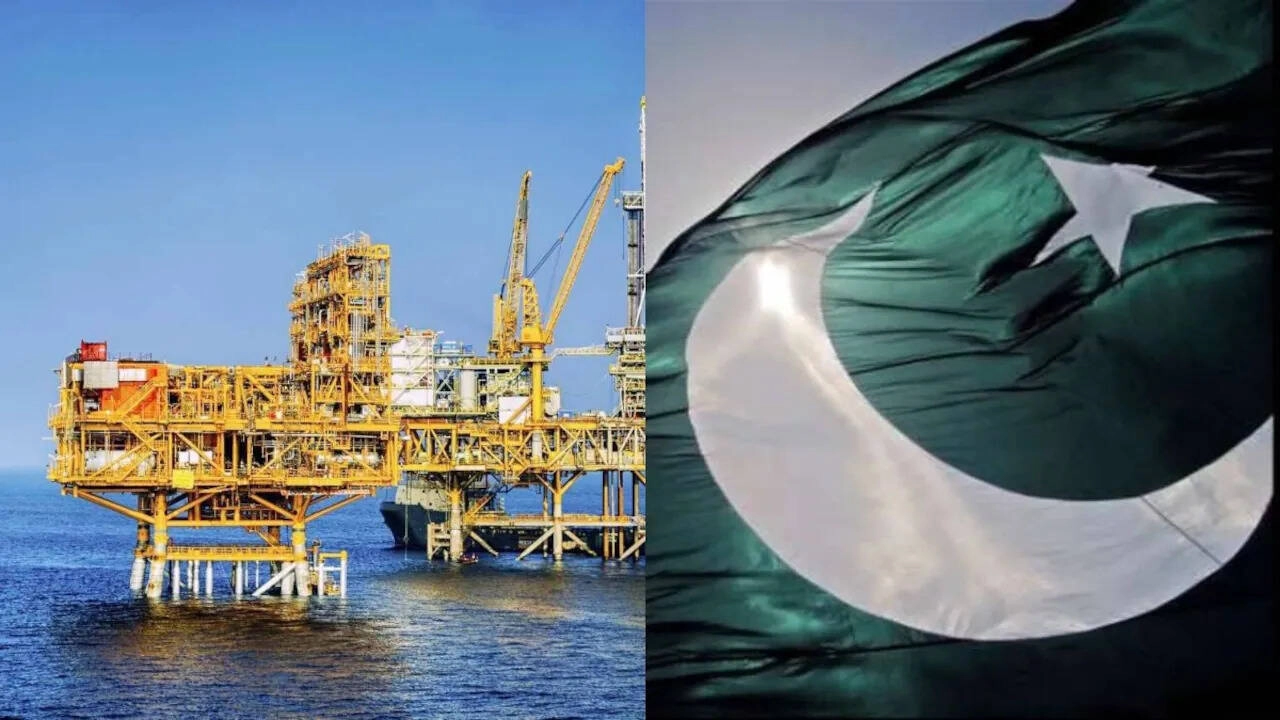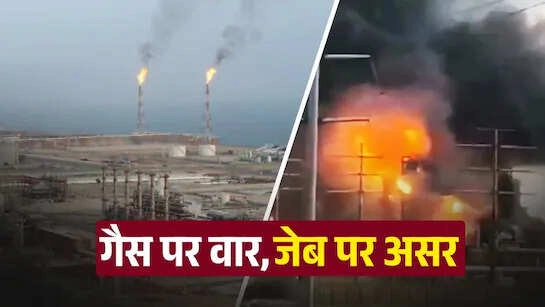
The rising prices of gas cylinders have become a pressing concern for many households in India. The recent attack on Qatar’s Ras Laffan, a major liquefied natural gas (LNG) facility, has raised alarm bells regarding the stability of gas supplies and pricing. Qatar is one of the world’s leading exporters of LNG, and any disruption in its operations can have a ripple effect on global gas markets. Given that India relies heavily on imports to meet its energy needs, fluctuations in international gas prices can directly impact domestic costs.
The geopolitical tensions in the Middle East, particularly involving Iran, can create uncertainty in energy markets. If Iran continues its aggressive stance and disrupts operations in the region, it could lead to a shortage of LNG supplies. This potential scarcity may drive up prices, thereby affecting consumers in India who already face high living costs. The situation becomes more precarious as the demand for gas in India is on the rise, driven by increased industrial activity and a shift towards cleaner energy sources.
In light of these developments, consumers may need to brace themselves for higher gas cylinder prices in the near future. The Indian government and energy analysts are closely monitoring the situation to gauge its impact on the domestic market. They may need to explore alternative energy sources or negotiate better import deals to mitigate the financial burden on the public. As global energy markets remain volatile, the effects of geopolitical events like the attack on Ras Laffan will continue to resonate within India’s economy, affecting not just gas prices but various sectors reliant on energy.