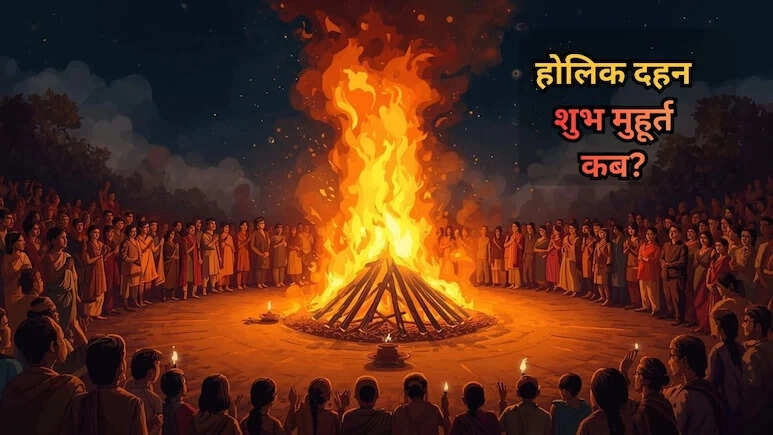
This year, there is a significant amount of uncertainty surrounding the celebration of Holika Dahan and Dhulandi in Rajasthan and across the country. The main cause of this confusion stems from the lunar eclipse occurring on March 3, which is believed to have an impact on the timing and manner of these festivities. Traditionally, Holika Dahan marks the eve of Holi, the festival of colors, where bonfires are lit to symbolize the victory of good over evil, while Dhulandi is the day when people come together to play with colors, celebrating joy and togetherness.
The lunar eclipse, along with the influence of Bhadrakaal, has led to discussions among religious leaders and community members regarding the appropriate time for these celebrations. In many cultures, eclipses are considered inauspicious, and people often refrain from performing rituals during such celestial events. As a result, there has been a growing concern about whether to postpone the festivities or continue with them as planned. This uncertainty has sparked debates and consultations among families and communities, with many seeking guidance on how to navigate these traditional practices in light of astronomical occurrences.
In Rajasthan, where Holi is celebrated with great enthusiasm and fervor, this dilemma has created a palpable tension. Many people are eager to partake in the joyous celebrations, but they also wish to adhere to cultural beliefs and customs. The discussions surrounding the celebration timings have led to a mix of opinions, with some advocating for the observance of traditional guidelines and others suggesting a more flexible approach. As the date approaches, it will be interesting to see how communities come together to resolve these issues, ultimately finding a balance between honoring their traditions and embracing the spirit of the festival.