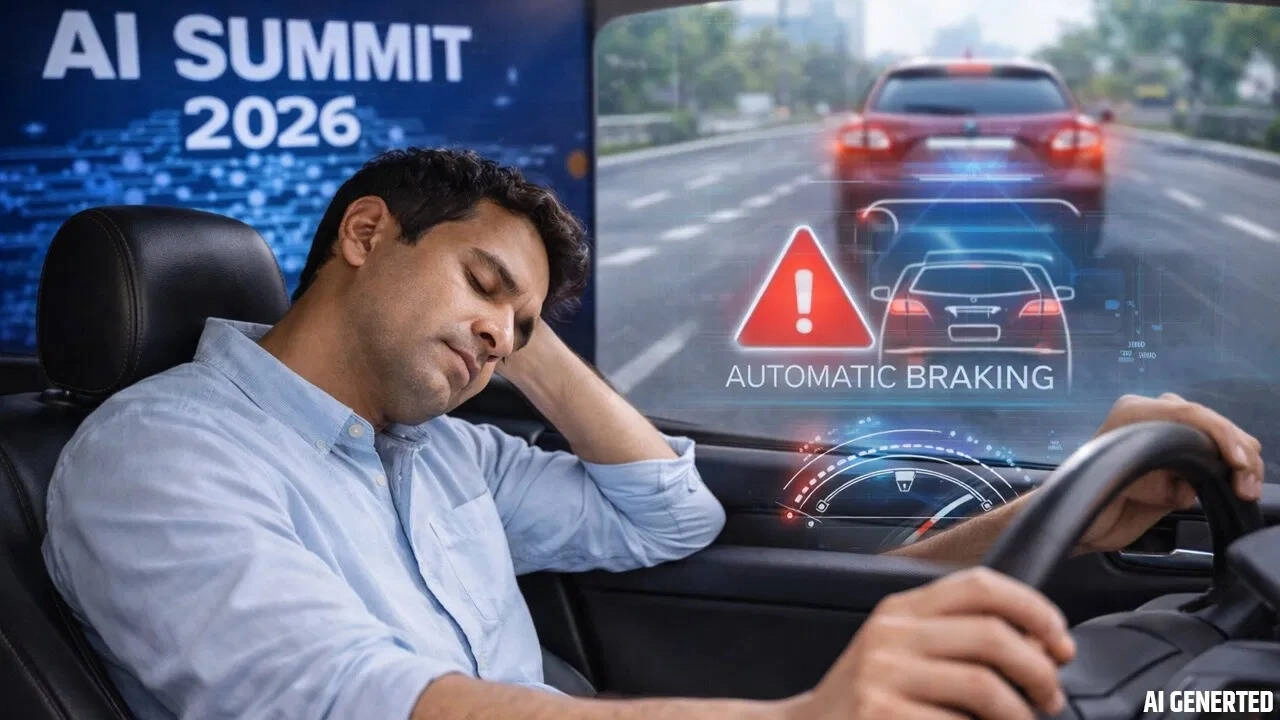
The AI Summit 2026 is set to revolutionize the way we approach road safety and vehicle automation. One of the most significant advancements highlighted at the summit is the development of artificial intelligence systems designed to prevent accidents. These systems are not only capable of detecting potential hazards on the road but are also equipped to take immediate action to avoid collisions. For instance, if a driver shows signs of drowsiness, the AI can autonomously engage the brakes, bringing the vehicle to a safe stop. This represents a critical leap in automotive technology, aiming to significantly reduce the number of accidents caused by human error.
The integration of AI in vehicles is becoming increasingly sophisticated, with features that allow for real-time analysis of driving conditions and driver behavior. Through advanced algorithms and sensor technologies, these AI systems can monitor a driver’s alertness and response times. If a decline in focus or signs of fatigue are detected, the system can intervene to ensure safety. This proactive approach not only enhances the safety of the driver but also protects passengers and pedestrians alike, making roads safer for everyone.
As we look towards 2026, the implications of these technological advancements are vast. The potential for AI to act as a safety net in vehicles could lead to a significant decrease in traffic-related accidents, saving countless lives. Furthermore, this technology could pave the way for more autonomous driving solutions, where human intervention becomes less critical. The ongoing development in AI for automotive applications promises a future where safety is prioritized, and the risk of accidents is minimized through intelligent systems capable of making split-second decisions. As we prepare for this future, it is essential to consider the ethical and regulatory frameworks that will govern the use of such advanced technologies on our roads.